Choosing a new shower can improve the comfort, appearance, and functionality of a bathroom. With many shower styles, configurations, fixtures, and materials available, you often wonder: What is the best type of shower to install? The right choice depends on your bathroom size, layout, budget, accessibility needs, water pressure, maintenance preferences, and overall design.
Walk-In Showers
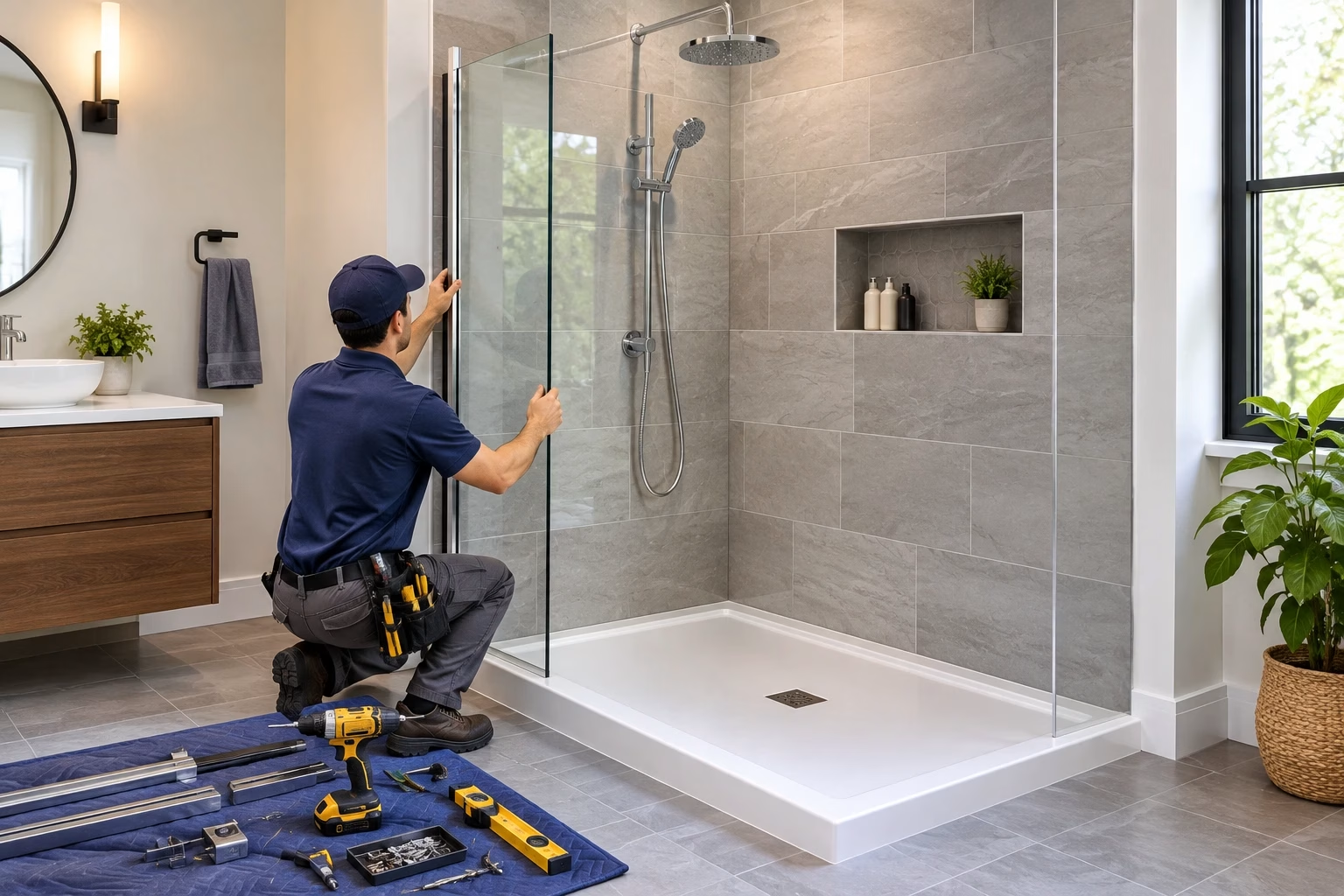
Walk-in showers are a popular choice for modern bathroom remodeling projects. They have a low-threshold or barrier-free entry, which makes them convenient for people who want easier access.
A walk-in shower can also make a small bathroom appear more spacious because there is less visual separation between the shower area and the rest of the room. Glass panels or doors can enhance this open appearance.
Shower-Tub Combinations
A shower-tub combination provides both bathing and showering in one area. This can be useful for households where different family members have different preferences.
A tub-shower combination can also be practical in bathrooms where space is limited. Instead of creating separate bathing and showering areas, both functions are incorporated into one installation.
Corner Showers
Corner showers are designed to fit into the corner of a bathroom, making efficient use of available space. They can be particularly useful for smaller bathrooms where every square foot matters.
Depending on the layout, a corner shower can include sliding doors, hinged doors, or other enclosure styles. You can choose the right door configuration to help preserve usable floor space.
Curved and Neo-Angle Showers
Curved shower enclosures can add a distinctive appearance while helping maximize available space. Neo-angle showers use angled glass panels and can fit into corners without creating a completely square enclosure.
These options can work well when you want a dedicated shower but have limited space.
Barrier-Free Showers
Barrier-free showers have minimal or no raised threshold. They can improve accessibility and make entering and exiting the shower easier.
Proper installation is important because the shower floor must be designed to direct water toward the drain while maintaining appropriate bathroom flooring levels.
If you are considering long-term accessibility, you may also want to incorporate grab bars, handheld showerheads, built-in seating, and easy-to-reach controls.
What Materials Are Best for a Shower?
The shower material affects appearance, maintenance, durability, and installation requirements. Common options include ceramic tile, porcelain tile, natural stone, acrylic, fiberglass, and solid-surface panels.
- Tile offers extensive design flexibility because you can choose from numerous colors, sizes, textures, and patterns.
- Acrylic and fiberglass systems can provide a relatively simple-to-maintain surface and are available in various configurations.
- Solid-surface shower panels can provide a streamlined appearance with fewer seams than traditional tiled walls.
- The ideal material depends on your budget, design preferences, cleaning habits, and the existing bathroom structure.
How Much Does Shower Replacement Cost?
One of the most important budgeting questions is: How much does shower replacement cost? There is no single price because the total expense depends on the scope of the project.
A basic replacement may cost considerably less than a complete shower remodel, including plumbing changes, new walls, flooring, fixtures, waterproofing, and structural repairs.
- Shower size
- Shower type
- Wall materials
- Shower doors
- Plumbing modifications
- Drain relocation
- Shower fixtures
- Waterproofing
- Flooring
- Labor
- Removal and disposal
- Required repairs
The condition of the existing shower can also influence the price. Hidden water damage, deteriorated framing, mold, damaged subflooring, or outdated plumbing may need to be addressed before the new shower is installed.
How to Keep Shower Replacement Costs Manageable?
A shower replacement does not always require changing the entire bathroom.
- Keeping the existing plumbing locations can sometimes reduce labor and construction requirements.
- Choosing readily available shower sizes and materials can also help control costs.
- However, homeowners should not sacrifice waterproofing or installation quality simply to reduce the initial project price.
- It is useful to decide which features are essential before selecting optional upgrades.
- For example, a handheld showerhead, built-in niche, shower bench, or premium glass enclosure may increase the overall project cost.
- Our remodeling contractor can explain which improvements provide the functionality you need within your available budget.
How Do I Find Licensed Shower Installers Near Me?
If you are planning a shower replacement or complete bathroom remodel, you may ask, How do I find licensed shower installers near me? Start by looking for professionals who are properly licensed for the work required in your area.
Check their qualifications and confirm that they have experience with the type of shower installation you are planning.
- Proof of applicable licensing
- Insurance information
- Relevant bathroom remodeling experience
- Written project estimates
- Installation timeline
- Details about warranties
- References or examples of previous work
- Information about permits where applicable
Questions to Ask Your Shower Installer
Before work begins, ask the installer how the existing shower will be removed, how the walls and floor will be prepared, and what waterproofing system will be used.
- You should also ask whether plumbing needs to be modified, whether the drain location will change, and how long the project is expected to take.
- If you are installing a shower in an older bathroom, ask whether the existing plumbing and electrical systems need inspection or updating.
- Clear communication before construction begins can help prevent misunderstandings about the final design and project cost.
Frequently Asked Questions
What type of shower is easiest to maintain?
Acrylic, fiberglass, and solid-surface shower systems can be relatively easy to maintain because they typically have fewer grout lines. Regular cleaning and proper ventilation can help keep any shower in good condition.
Is a walk-in shower suitable for a small bathroom?
A well-designed walk-in shower can make efficient use of limited space and create a more open appearance. The enclosure, door style, and shower dimensions should be selected according to the bathroom layout.
Should I replace my bathtub with a shower?
Replacing a bathtub with a shower can provide easier access and create additional usable space. However, the decision should consider household needs, bathroom layout, accessibility requirements, and the property’s long-term plans.
How long does a shower replacement take?
The time depends on the shower design, materials, plumbing requirements, demolition, and condition of the existing structure. A replacement may take less time than a complete shower remodel.
What should I check before hiring a shower installer?
Verify applicable licensing and insurance, ask about relevant installation experience, request a detailed written estimate, confirm the project timeline, and discuss waterproofing, materials, permits, and warranties.