
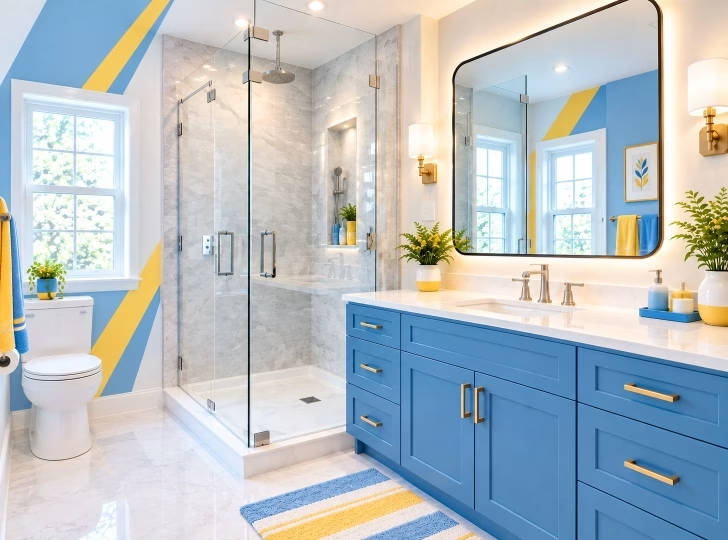

A properly installed toilet seat can improve bathroom comfort, stability, hygiene, and everyday usability. Although replacing a toilet seat may appear straightforward, selecting the right size and style and securing it correctly can prevent movement, uneven positioning, and premature damage. Our Toilet Seat Installation Services can help with replacing an old seat, fitting a new seat to an existing toilet, or installing specialized options designed for additional comfort and accessibility.
Free installation estimate available
Options for different toilet shapes and seat styles
Toilet seats are available in different shapes, sizes, materials, colors, and mounting configurations. A seat that does not match the toilet bowl properly may shift during use or leave gaps around the edges.
Before installation, the existing toilet should be checked to determine its bowl shape and mounting arrangement. You should also consider whether they need features such as soft-close hinges, quick-release hardware, enhanced stability, or accessibility-focused designs.
Toilet seat replacement, new seat installation, soft-close seats, raised seats, accessibility-focused options
Usually a relatively short installation, depending on the toilet and mounting hardware
Based on the selected seat and installation requirements
A toilet seat is a frequently used bathroom component, so a secure and correctly aligned installation can make a noticeable difference in everyday comfort. The seat should sit evenly on the toilet bowl without excessive movement.
Before replacing the seat, it is useful to inspect the existing mounting points. Corroded bolts, damaged hinges, worn hardware, or cracks around the mounting area may require additional attention.
The condition of the toilet itself should also be considered. If the bowl is cracked, unstable, leaking, or damaged around the mounting area, installing a new seat alone may not solve the underlying problem.

Replacing an older or damaged toilet can improve bathroom function without requiring a complete renovation. Installation may include removing the existing fixture, preparing the connection area, positioning the replacement toilet, securing the fixture, connecting the water supply, and checking for proper operation.

Comfort-height toilets can provide a more convenient sitting and standing position for many homeowners. They can be especially useful when accessibility or easier bathroom use is a priority. The available bathroom space and user requirements should be considered before selecting the fixture.

Modern water-efficient toilets can help reduce water consumption while maintaining everyday bathroom performance. When choosing a replacement, you can compare flushing systems, bowl configurations, dimensions, and water-use specifications to find an option suitable for your bathroom.

Dual-flush models provide different flushing options for different waste levels. They may be considered during a bathroom update when a homeowner wants additional control over water use while replacing an existing fixture.

A toilet can be replaced as part of a larger bathroom renovation. Coordinating installation with flooring, vanity, shower, bathtub, tile, and plumbing work can make it easier to organize the project and create a consistent finished bathroom.

The area beneath the toilet is important to a successful installation. If the flange is damaged, improperly positioned, or affected by previous leakage, additional repair work may be necessary before the new toilet can be installed correctly.

If you are planning an accessible bathroom, toilet height, clearance, surrounding space, and other safety features should be considered together. Toilet installation can be coordinated with other aging-in-place improvements when the project requires broader accessibility changes.

Some toilet projects involve more than replacing the fixture. Changes to plumbing connections or toilet location may require additional planning, and applicable permit or inspection requirements should be confirmed before work starts.
Get a Free Estimate for Your Bathroom Now!
| Option | Best For | Common Work | Main Consideration |
|---|---|---|---|
| Repair | The toilet has an isolated issue | Minor fixture, seal, or connection repair | The underlying cause should be identified |
| Partial Remodel | The bathroom works but needs selected upgrades | Toilet, vanity, flooring, shower, or fixture replacement | Installation should coordinate with existing finishes |
| Full Renovation | Several components need updating | Demolition, plumbing, toilet, shower/tub, tile, vanity, lighting, and finishes | Larger scope may require additional planning and approvals |
If water damage, deteriorated subflooring, mold, or plumbing problems are discovered, the scope may need to expand beyond the originally planned cosmetic work.
The cost of toilet seat installation depends on the seat selected, existing hardware, installation requirements, and whether additional problems are discovered.
The project begins with a discussion about the existing toilet, desired seat style, and any comfort or accessibility preferences.
The bathroom is assessed for available space, toilet dimensions, rough-in requirements, water connection, floor condition, and other installation considerations.
The homeowner selects a suitable toilet based on size, height, design, flushing system, water use, and budget. The project scope and expected work should be explained before installation begins.
If the project involves plumbing changes or other work requiring approval, applicable requirements should be confirmed with the appropriate local authority before construction.
The existing toilet is removed when applicable. The installation area is inspected for damaged seals, flooring problems, flange issues, or other conditions that could affect the new fixture.
The replacement toilet is positioned and connected according to the installation requirements. Water connections are secured and the fixture is checked for proper operation and stability.
The finished installation is checked for leaks, flushing performance, alignment, and stability. The work area is cleaned, and the homeowner receives information about the completed installation and any applicable service or warranty terms.
A basic toilet seat replacement generally involves changing the seat and mounting hardware rather than altering plumbing or the bathroom structure. However, requirements can vary depending on the broader scope of work.
If toilet seat installation is being performed as part of a larger bathroom remodeling project involving plumbing, electrical, structural changes, or other regulated work, applicable permit and inspection requirements should be confirmed before construction begins.
No verified customer project, review, photograph, pricing record, or completed installation case study was provided for this page.
If genuine project documentation is available, this section can be updated with an authentic example describing the original seat condition, homeowner requirements, selected replacement, installation process, and completed result.
A toilet seat may need replacement when it develops cracks, becomes loose, shows significant wear, or can no longer be cleaned effectively.
A professional assessment can help identify the appropriate toilet, confirm existing plumbing conditions, and determine whether additional work is needed.
The seat should match the toilet bowl's shape, dimensions, and mounting-hole configuration. The two common bowl shapes are round and elongated, but measurements should still be checked before purchasing a replacement.
Soft-close seats can be installed on compatible toilets and are designed to lower more gradually than standard seats. Compatibility with the bowl shape and mounting arrangement should be confirmed before installation.
A loose toilet seat can result from worn mounting hardware, improperly tightened fasteners, damaged hinges, or mounting-point problems. If tightening the hardware does not resolve the movement, the toilet and mounting area should be inspected.
Replacement may be appropriate when the seat is cracked, damaged, difficult to clean, unstable, or has broken hinges or mounting hardware. Replacing a worn seat can improve comfort and make the bathroom easier to maintain.
The product should be checked for compatibility with the toilet's shape, dimensions, mounting system, and required height before installation.
Toilet seat installation can be included as part of a larger bathroom remodeling project. Coordinating the seat with the toilet, flooring, surrounding fixtures, and overall bathroom design can help create a consistent finished result.
If the existing toilet is structurally sound and functioning properly, the seat can generally be replaced independently. A complete toilet replacement may be considered if the fixture itself is damaged, unstable, leaking, or experiencing persistent problems.
A straightforward replacement is generally a relatively short installation. The actual time depends on the existing hardware, condition of the mounting points, seat design, and whether additional toilet problems are discovered.
We Got Your Query! Experts will Contact You ASAP
Call Us Directly to skip the queue and get immediate service