


Bathroom problems can range from a dripping faucet or damaged tile to leaking pipes, worn flooring, loose fixtures, and moisture-related damage. Our Bathroom Repair Service helps you address these issues before they become more disruptive or lead to larger remodeling needs. We assess the visible problem, identify possible underlying causes, and recommend a repair approach based on the bathroom's condition and the required scope of work.
Free bathroom repair estimate available
Careful planning, materials, fixtures, and installation.
Bathroom damage is not always limited to what can be seen. A cracked tile, stained wall, loose toilet, or leaking faucet may sometimes be connected to a plumbing, waterproofing, drainage, or moisture problem underneath the finished surface.
The first step should be identifying the source and extent of the issue. Repairing only the visible symptom without addressing the underlying cause may result in the same problem returning.
Homeowners should also consider the age and condition of surrounding fixtures. If several components are approaching the end of their useful life, combining individual repairs with a targeted bathroom upgrade may make more sense than repeatedly repairing separate problems.
Plumbing repairs, fixture repairs, tile repairs, flooring repairs, leak-related repairs, bathroom surface repairs
Depends on the problem, access, materials, and extent of damage
Based on the bathroom condition and repair scope
A bathroom contains multiple systems that work together, including plumbing, drainage, fixtures, flooring, walls, ventilation, and moisture-control components. A problem with one part can sometimes affect another.
A small plumbing leak may eventually damage cabinetry or flooring if it remains unresolved. Loose tiles may allow moisture to reach areas behind the finished surface, while poor ventilation can contribute to persistent dampness.
A proper repair assessment should therefore consider both the immediate problem and the surrounding area. This is particularly important when there are signs of recurring moisture, soft materials, staining, unpleasant odors, or deterioration.

Visible bathroom damage can sometimes point to a larger moisture problem. When staining, persistent dampness, soft materials, or recurring deterioration is present, identifying the source should take priority before cosmetic repairs are completed.

A damaged shower can create both functional and moisture concerns. Repair work may address deteriorated caulk, damaged surfaces, leaking fixtures, loose components, or other localized problems.

Cracks, worn surfaces, damaged surrounds, leaking connections, or deteriorated seals can affect bathtub performance. A repair professional can assess the condition and determine whether the affected component can be restored or needs replacement.

A dripping faucet or leaking sink connection can become an ongoing source of moisture. Repairs may involve replacing worn components, correcting connections, or replacing a damaged fixture when repair is no longer practical.

Toilet problems may include leaks, running water, loose components, poor flushing, or damaged connections. Addressing these issues promptly can help prevent water waste and damage to surrounding flooring or cabinetry.
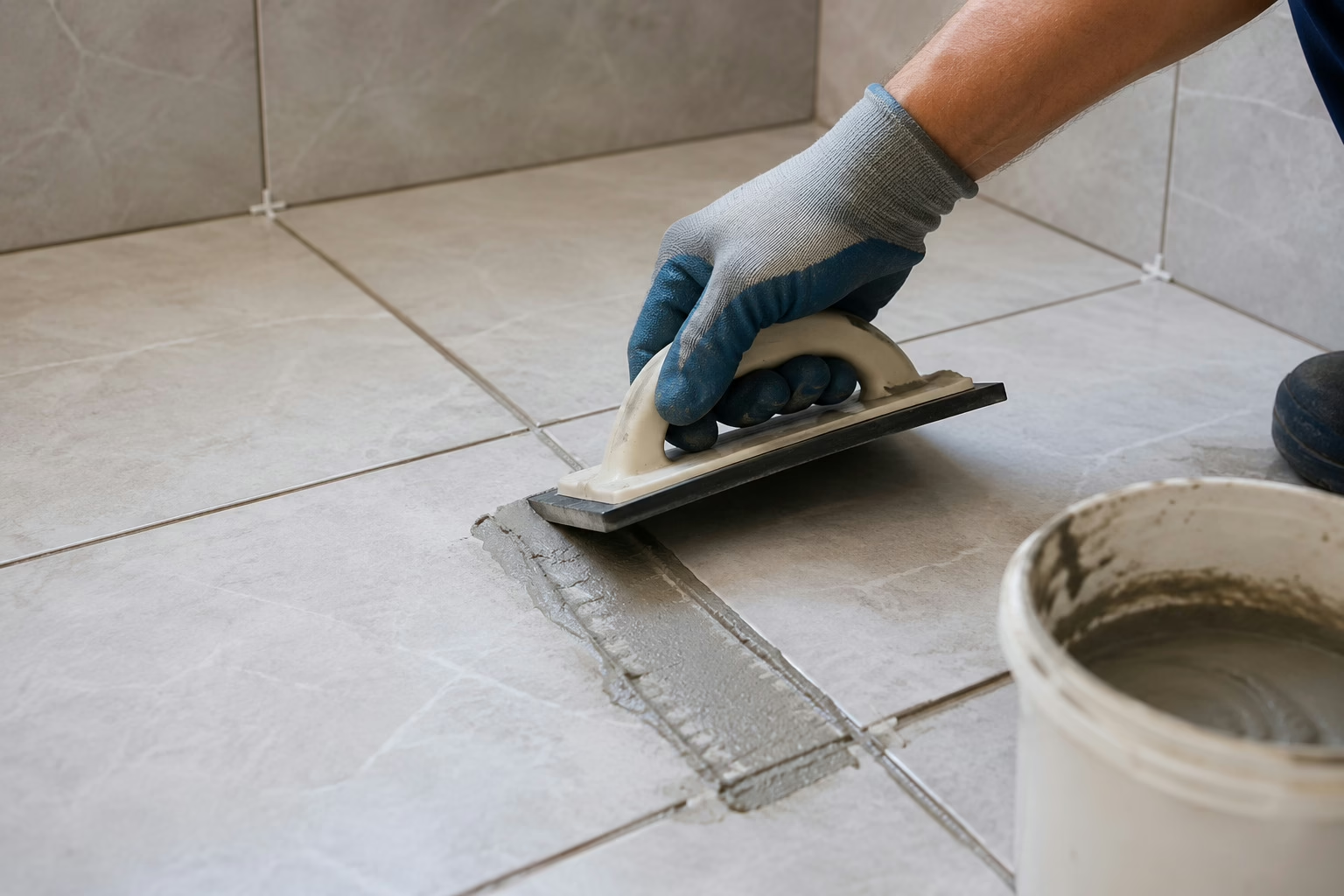
Individual tiles do not always require complete bathroom flooring or wall replacement. Loose or cracked tiles and deteriorated grout may sometimes be repaired as part of a more focused project.

Water exposure, damaged tiles, loose flooring, or deteriorated areas may require localized floor repairs. If the flooring has become soft or unstable, the underlying subfloor should also be evaluated before the finished material is replaced.

Failing caulk around tubs, showers, sinks, and other wet areas can allow water to reach surrounding materials. Removing deteriorated sealant and applying an appropriate replacement can help protect vulnerable joints when the underlying surfaces are sound.

Bathroom cabinetry can suffer from swelling, damaged doors, loose hardware, or moisture exposure. Depending on the extent of the problem, individual components may be repaired or replaced instead of removing the entire vanity.
Get a Free Estimate for Your Bathroom Now!
Not every bathroom problem requires a complete remodel. A repair is appropriate when the issue is limited, and the surrounding components remain in good condition.
| Option | Best For | Common Work | Main Consideration |
|---|---|---|---|
| Repair | One localized problem | Fixture, grout, caulk, tile, toilet, or minor surface repair | Confirm there is no hidden damage |
| Partial Remodel | Several outdated or damaged components | Shower, vanity, flooring, fixtures, or tub work | Coordinate the affected areas |
| Full Renovation | Extensive deterioration or major changes desired | Multiple surfaces, plumbing, fixtures, lighting, and layout work | Requires greater planning and investment |
If water damage, deteriorated subflooring, mold, or plumbing problems are discovered, the scope may need to expand beyond the originally planned cosmetic work.
Bathroom repair costs vary widely because the work can range from a minor fixture adjustment to repairs including plumbing, flooring, walls, or hidden moisture damage.
Describe what you have noticed, including leaks, damage, unusual odors, loose materials, or changes in bathroom performance.
The repair professional evaluates the visible problem and, where appropriate, checks surrounding components for signs of moisture or deterioration.
The recommended solution should distinguish between a straightforward repair and a problem requiring additional investigation or replacement.
The estimate should outline the expected labor, materials, repair steps, and any known limitations.
Before repair begins, appropriate measures should be taken to protect surrounding bathroom surfaces and nearby areas of the home.
The damaged component or affected surface is repaired or replaced according to the agreed scope.
The finished repair should be checked for functionality, appearance, cleanup, and any remaining concerns.
Permit and inspection requirements depend on the location and exact nature of the repair. Minor maintenance or fixture-related work may have different requirements from plumbing relocation, electrical modifications, structural work, or significant bathroom alterations.
When repairs involve regulated plumbing, electrical, structural, or other building systems, homeowners should confirm the applicable requirements with the appropriate local authority before work begins.
No verified customer project, photograph, review, pricing record, or completed bathroom repair case study was provided for this page.
If genuine project information becomes available, this section can describe the original problem, inspection findings, repair approach, materials used, work completed, and final result.
Repair may be appropriate when the fixture is generally in good condition, and the problem is limited to a replaceable component or minor defect.
Replacement may make more sense when the fixture has extensive damage, recurring failures, poor compatibility with the bathroom, or significant deterioration.
A bathroom problem does not automatically mean that the entire room needs to be renovated. Identifying the source of the damage and selecting the appropriate repair can help homeowners address problems while avoiding unnecessary work. Whether you are dealing with a leaking fixture, damaged tile, failing grout, flooring concerns, a faulty toilet, or another bathroom issue, a professional assessment can clarify the next step.
Common repairs include leaking faucets, clogged drains, running toilets, damaged tiles, loose fixtures, shower leaks, bathtub problems, deteriorated grout, damaged flooring, and moisture-related issues.Â
Leaks, persistent moisture, soft flooring, water stains, unstable fixtures, or problems that are worsening should be assessed promptly. Ignoring a small water-related issue can sometimes allow damage to spread into walls, flooring, cabinetry, or other surrounding materials.
Individual damaged tiles can be replaced when matching materials are available, and the underlying surface is sound. If many tiles are cracked or loose, or moisture has affected the substrate, a larger repair or flooring replacement may be necessary.
Many fixture leaks can be repaired by replacing worn seals, connections, valves, cartridges, or other components. However, if the fixture itself is badly damaged or deteriorated, replacement may be more practical.
The decision depends on the cabinet's structural condition and the extent of the damage. Minor hardware or surface problems may be repairable, while extensive swelling, water damage, deterioration, or poor functionality may justify replacement.
Removing flooring, tile, cabinetry, shower materials, or other finished surfaces can reveal moisture damage, deteriorated subflooring, plumbing problems, or structural concerns that were previously concealed.
There is no single timeline because bathroom repairs vary considerably. A minor fixture repair may be completed quickly, while plumbing problems, damaged flooring, moisture-related repairs, or multiple affected areas can require more time.
If multiple components are damaged or outdated, repairs can sometimes be incorporated into a partial or full bathroom renovation. Combining related work may also reduce the need to remove newly installed finishes l
We Got Your Query! Experts will Contact You ASAP
Call Us Directly to skip the queue and get immediate service