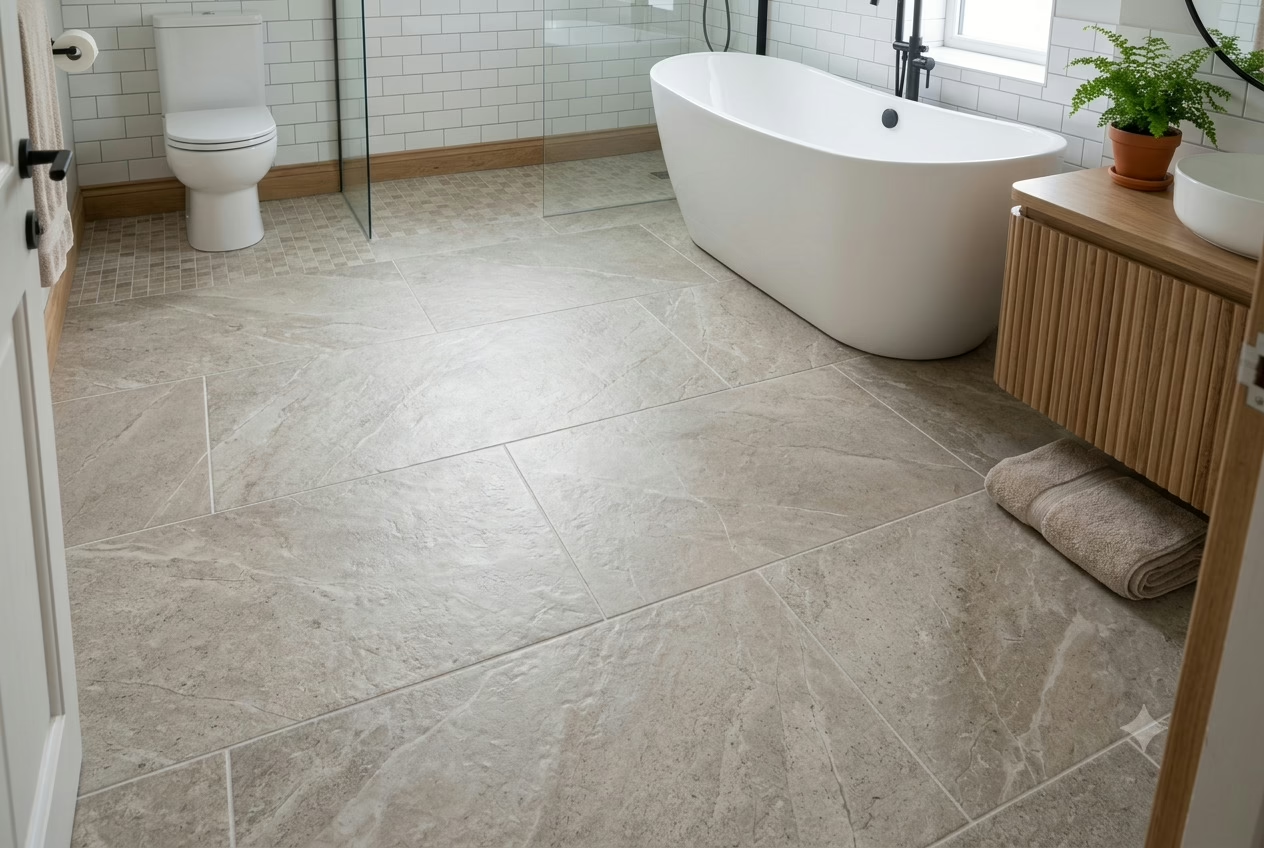
Choosing the right flooring is one of the most important decisions during a bathroom renovation. Since bathrooms are exposed to moisture, humidity, spills, and frequent foot traffic, the flooring must be durable, water-resistant, and easy to maintain. It is essential to select the best waterproof bathroom flooring options that not only protect your bathroom from water damage but also improve its beauty, comfort, and long-term value.
Why Waterproof Flooring is Essential?
Bathrooms are exposed to water from showers, bathtubs, and sinks, as well as humidity. However, moisture-absorbing flooring can lead to mold growth, warping, stains, and expensive repairs.
- Protects the subfloor from moisture
- Prevents mold and mildew growth
- Improves durability
- Reduces maintenance
- Enhances safety
- Increases home value
- Offers long-lasting performance
You must invest in the best options for waterproof Bathroom Flooring to help ensure your bathroom remains attractive and functional for many years.
What is Ceramic Tile Flooring?
Ceramic tile has long been one of the most popular bathroom flooring materials. These are available in countless designs, making them suitable for both modern and traditional bathrooms.
- Water-resistant surface
- Wide range of colors and patterns
- Easy to clean
- Affordable
- Scratch-resistant
- Durable under normal use
Which Things to Consider?
- It can feel cold underfoot
- Grout requires periodic cleaning
- May become slippery when wet unless textured finishes are selected
Porcelain Tile Flooring
These tiles are considered one of the most durable waterproof flooring materials available.
- Extremely low water absorption
- Excellent durability
- Suitable for high-moisture areas
- Resistant to stains
- Long lifespan
- Wide variety of finishes
Because of its density, porcelain performs exceptionally well in busy family bathrooms.
Which is Better: Ceramic Tile or Porcelain Tile for Bathrooms?
Many of you compare ceramic tile vs. porcelain tile for Bathrooms before beginning a remodeling project.
Ceramic Tile
Advantages:
- More affordable
- Easier to cut and install
- Wide design selection
- Ideal for light to moderate traffic
Disadvantages:
- Slightly higher water absorption
- Less dense than porcelain
Porcelain Tile
Advantages:
- More durable
- Highly water-resistant
- Better for heavy traffic
- Lower maintenance
- Greater longevity
Disadvantages:
- Higher material cost
- More difficult to install due to density
What is Luxury Vinyl Flooring?
Luxury vinyl has become one of the fastest-growing bathroom flooring choices.
- Waterproof construction
- Comfortable surface
- Wood and stone appearance
- Easy installation
- Low maintenance
- Excellent durability
Pros and Cons of Vinyl Bathroom Flooring
Understanding the Pros and Cons of Vinyl Bathroom Flooring helps you determine whether it suits your needs.
Pros
- Fully waterproof options available
- Comfortable to walk on
- Budget-friendly
- Easy to clean
- Wide variety of styles
- Quick installation
- Warm underfoot
- Resistant to stains
Cons
- Can be damaged by sharp objects
- Lower resale value than natural stone
- Some products may fade with prolonged sunlight exposure
- May require replacement sooner than tile
However, you can evaluate the Pros and Cons of Vinyl Bathroom Flooring to balance affordability with long-term performance.
What is Natural Stone Flooring?
Natural stone creates an elegant, luxurious bathroom aesthetic, which requires regular sealing to maintain its water resistance.
- Marble
- Slate
- Granite
- Travertine
- Limestone
Benefits include:
- Unique appearance
- Exceptional durability
- High-end aesthetic
- Increased home value
How to Use Waterproof Laminate Flooring?
Some modern laminate flooring products are specifically designed for moisture-prone areas.
- Attractive wood appearance
- Improved water resistance
- Comfortable surface
- Affordable pricing
It is essential to install properly to prevent moisture from reaching the subfloor.
Engineered Stone Flooring
Engineered stone combines natural stone particles with durable resins. This option provides many of the visual benefits of natural stone with reduced maintenance.
- Water resistance
- Consistent appearance
- Easy maintenance
- Long lifespan
- Modern style
Why Slip Resistance Matters?
Bathroom safety should always be a priority. However, slip-resistant flooring helps reduce accidents, particularly for children and older adults.
- Textured surfaces
- Slip-resistant finishes
- Matte coatings
- Appropriate grip ratings
Heated Bathroom Floors
Many homeowners combine waterproof flooring with radiant floor heating.
- Warm floors during winter
- Improved comfort
- Better energy efficiency
- Luxurious experience
Tile flooring works especially well with underfloor heating systems.
How to Choose the Right Color?
Floor color influences the overall appearance of the bathroom.
- Soft gray
- White
- Beige
- Charcoal
- Light wood tones
- Natural stone finishes
Lighter colors help small bathrooms appear larger and brighter.
How to Coordinate Flooring with Bathroom Design?
Choose flooring that complements the design and creates a cohesive, elegant appearance.
- Wall tiles
- Vanity cabinets
- Countertops
- Fixtures
- Lighting
- Shower design
Which Factors to Consider Before Choosing Flooring?
Before selecting your flooring material, evaluate:
- Budget
- Bathroom size
- Household traffic
- Moisture exposure
- Cleaning preferences
- Installation requirements
- Long-term durability
- Style preferences
With careful planning, you ensure that your flooring meets both functional and aesthetic needs.
Why Professional Installation Matters?
Even high-quality flooring performs best when installed correctly. Thus, with proper installation,, you minimize future repair costs and extend the flooring lifespan.
- Proper waterproofing
- Accurate tile alignment
- Secure subfloor preparation
- Correct grout application
- Long-lasting performance
Are There Long-Term Benefits of Waterproof Flooring?
Quality waterproof flooring offers lasting advantages that provide lasting value for your home.
- Lower maintenance costs
- Reduced risk of water damage
- Better indoor hygiene
- Enhanced resale value
- Improved comfort
- Attractive appearance
- Long service life
Frequently Asked Questions
Which are the best waterproof bathroom flooring options?
The best waterproof bathroom flooring options include porcelain tile, ceramic tile, luxury vinyl flooring, natural stone, engineered stone, and waterproof laminate.
What are the pros and cons of vinyl bathroom flooring?
The major advantages of vinyl are excellent water resistance, affordability, comfort underfoot, and easy maintenance. Yet, Vinyl may be susceptible to scratches from sharp objects and has a shorter lifespan.
Which one to choose: ceramic tile or porcelain tile for bathrooms?
Porcelain is more durable, denser, and absorbs less water, making it ideal for high-moisture areas. Whereas ceramic tile is more affordable, easier to install, and available in a wide variety of styles.
Is waterproof flooring easy to maintain?
Most waterproof bathroom flooring options require only regular sweeping and occasional mopping with a soft cleaner. Avoid harsh cleaning chemicals to maintain the flooring’s appearance.
How do I choose the right bathroom flooring for my home?
You can choose according to your budget, bathroom size, moisture exposure, maintenance preferences, slip resistance, durability, and overall design style.