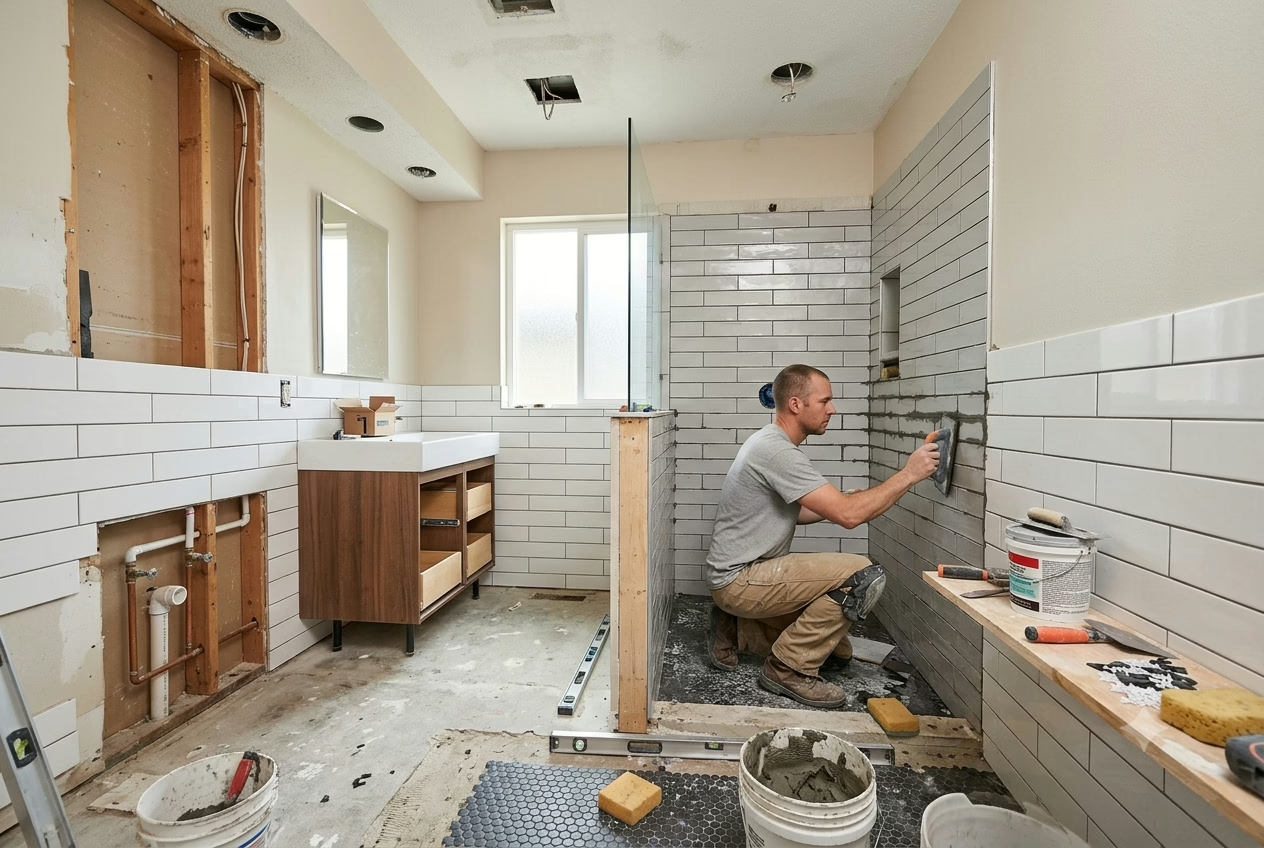
A bathroom remodel is one of the most valuable home improvement projects you can undertake. When you need to update outdated fixtures, improve functionality, or create a more modern space, careful planning is essential for a successful renovation. Following proper Bathroom Remodeling Guidelines helps you make informed decisions, stay within budget, and achieve lasting results. We provide everything you need to know before beginning your remodeling project, including planning and budgeting, as well as selecting materials and layouts.
Why Bathroom Remodeling Matters?
Bathrooms are among the most frequently used rooms in any home. Wear and tear, outdated designs, and changing family needs make remodeling an excellent investment.
Following Bathroom Remodeling Guidelines offers several advantages.
- Improves daily comfort
- Enhances functionality
- Increases home value
- Updates outdated designs
- Improves storage space
- Enhances lighting
- Reduces maintenance issues
- Supports better water efficiency
A carefully planned remodel not only improves aesthetics but also creates a bathroom that better suits your lifestyle.
Why Assess Your Existing Bathroom?
Before you select tiles or fixtures, it take time to evaluate your current bathroom.
- What features work well?
- Which areas feel cramped?
- Is storage sufficient?
- Are plumbing fixtures outdated?
- Does the lighting meet your needs?
- Is ventilation adequate?
- Are there signs of water damage?
An important part of Bathroom remodeling planning guidelines is to help you identify priorities before construction begins.
What are Your Remodeling Goals?
Every remodeling project should begin with clear objectives. You must know what you want to achieve makes planning much easier.
- Create a layout that supports better movement and daily convenience.
- Replace outdated finishes with contemporary colors, fixtures, and materials.
- To reduce clutter, install cabinets, floating shelves, or vanity organizers.
- Go for wider walkways, walk-in showers, grab bars, or comfort-height fixtures if needed.
- Choose water-saving fixtures and energy-efficient lighting to reduce utility costs.
These goals form the foundation of effective Bathroom Remodeling Guidelines.
Why Create a Realistic Budget?
A successful remodel starts with a well-planned budget. Before purchasing materials or hiring professionals, estimate the total project cost.
- Demolition
- Plumbing work
- Electrical upgrades
- Flooring
- Wall finishes
- Vanity installation
- Shower or bathtub
- Toilet replacement
- Lighting
- Ventilation
- Hardware
- Paint
- Accessories
- Unexpected expenses
However, including a contingency fund helps prepare for unforeseen repairs that may arise once remodeling begins.
What to Measure in Your Bathroom Carefully?
With accurate measurements, you can prevent costly mistakes when you purchase fixtures and materials.
- Floor area
- Ceiling height
- Window locations
- Door swing
- Plumbing positions
- Electrical outlets
- Existing cabinets
These measurements are essential components of Bathroom remodeling planning guidelines, ensuring new fixtures fit comfortably within the available space.
How to Plan the Layout?
An efficient layout greatly influences how your bathroom functions every day. Even small layout improvements can significantly enhance comfort and usability.
- Easy access to the vanity
- Comfortable toilet placement
- Shower entry space
- Storage accessibility
- Natural traffic flow
- Adequate lighting zones
When you follow Bathroom Remodeling Guidelines during the planning stage, it helps reduce costly changes later in the project.
How to Develop a Remodeling Timeline?
Every remodeling project benefits from a realistic schedule.
- Planning
- Design selection
- Material ordering
- Demolition
- Plumbing and electrical work
- Installation
- Finishing touches
- Final inspection
Creating a timeline is one of A Practical Bathroom Remodel Checklist and Guide recommendations, which helps you stay organized and minimize disruptions throughout the renovation process.
Why Choose the Right Flooring?
Bathroom flooring should combine durability, safety, and visual appeal. Since bathrooms are exposed to frequent moisture, for ling-term performance, you must select water-resistant materials.
- Porcelain tiles
- Ceramic tiles
- Luxury vinyl flooring
- Natural stone
- Waterproof laminate
Look for slip-resistant finishes to improve safety, especially in homes with children or older adults. Selecting the right flooring is an important step in following Bathroom Remodeling Guidelines because it affects both maintenance and durability.
How to Select Wall Finishes?
Bathroom walls should withstand humidity while it complementes the design.
- Ceramic wall tiles
- Porcelain tiles
- Waterproof paint
- Decorative wall panels
- Natural stone accents
Light-colored walls make smaller bathrooms feel more spacious, while textured finishes add visual interest without overwhelming the room.
These ideas align with Bathroom remodeling planning guidelines, which help you create a bathroom that is both attractive and practical.
How to Choose the Perfect Vanity?
The vanity often provides as the centerpiece of the bathroom. It should provide sufficient storage while fitting comfortably within the available space.
- Bathroom size
- Number of users
- Storage requirements
- Sink configuration
- Countertop material
- Style preferences
Floating vanities create an open appearance, while traditional cabinets maximize storage capacity.
A thoughtfully selected vanity is highlighted throughout A Practical Bathroom Remodel Checklist and Guide as one of the most important design decisions.
Can You Upgrade Bathroom Storage?
Storage plays a major role in keeping bathrooms organized and clutter-free.
- Tall linen cabinets
- Floating shelves
- Medicine cabinets
- Built-in shower niches
- Under-sink organizers
- Drawer dividers
- Corner shelving
Well-designed storage improves functionality without sacrificing valuable floor space.
When you follow Bathroom Remodeling Guidelines, it helps you incorporate storage solutions that meet both current and future needs.
How to Select Plumbing Fixtures?
Modern plumbing fixtures improves both convenience and efficiency.
- Water-saving toilets
- Stylish faucets
- Rainfall showerheads
- Handheld shower systems
- Freestanding bathtubs
- Walk-in showers
- Touchless faucets
You can choose fixtures that coordinate in finish and style to create a cohesive appearance throughout the bathroom.
Can You Improve Bathroom Lighting?
Lighting influences how the bathroom looks and functions. Combining multiple lighting layers creates a comfortable and inviting environment.
- Ambient Lighting provides general illumination for the entire room.
- Task Lighting is installed around mirrors to improve visibility during grooming and personal care.
- Accent Lighting highlights decorative features such as shelving, artwork, or textured walls.
- LED lighting is an energy-saving option that offers long life and consistent brightness.
These recommendations support Bathroom remodeling planning guidelines, ensuring that every part of the bathroom is well-lit.
Why Don’t Overlook Ventilation?
Proper ventilation helps control humidity and reduces the risk of mold, mildew, and moisture damage.
- Improve indoor air quality
- Protect paint and finishes
- Reduce condensation
- Extend fixture lifespan
- Prevent unpleasant odors
Installing a high-quality exhaust fan is a simple yet valuable upgrade during any remodeling project.
How to Choose a Color Scheme?
The right color palette makes the tone for your remodeled bathroom.
- White and gray
- Beige and cream
- Soft blue
- Earth tones
- Matte black accents
- Natural wood finishes
Neutral colors create a timeless appearance, while carefully selected accent colors add personality without overwhelming the space.
When you follow Bathroom Remodeling Guidelines, you can choose finishes and colors that remain stylish for years while maintaining broad appeal and easy maintenance.
What to Choose Walk-In Showers or Bathtubs?
During bathroom renovation, one of the biggest decisions is to choose between a walk-in shower, a bathtub, or a combination of both. The right option depends on your available space, lifestyle, and long-term needs.
Benefits of Walk-In Showers
These showers have become popular because they offer various features.
- Easy accessibility
- Modern appearance
- Space-saving design
- Easier cleaning
- Better water drainage
- Customizable features
Frameless glass enclosures can make even smaller bathrooms appear larger and brighter.
Benefits of Bathtubs
Bathtubs is a practical choice for many households.
- Comfortable soaking experience
- Suitable for families with children
- Wide variety of styles
- Increased relaxation
- Timeless appeal
Choosing between these options is an important part of Bathroom Remodeling Guidelines, ensuring the finished space meets your family’s everyday requirements.
Improve Accessibility
A well-designed bathroom should be comfortable and safe for users of all ages. Planning for accessibility today can make your home more convenient in the future.
- Walk-in showers
- Grab bars
- Comfort-height toilets
- Slip-resistant flooring
- Wider doorways
- Adjustable showerheads
- Lever-style faucet handles
These features improve safety while maintaining a modern and attractive appearance.
Many of these recommendations are included in A Practical Bathroom Remodel Checklist and Guide because accessibility can enhance both functionality and long-term home value.
Can You Upgrade to Water-Efficient Fixtures?
With sustainable living, water-saving fixtures can help reduce utility bills.
- Low-flow showerheads
- Dual-flush toilets
- Water-efficient faucets
- Motion-sensor taps
- Aerators
These upgrades allow you to conserve water without sacrificing performance.
Including efficient fixtures is one of the key Bathroom remodeling planning guidelines that benefits both the environment and household expenses.
Add Smart Bathroom Features
Modern technology can make your bathroom more convenient and enjoyable.
- Motion-activated lighting
- Smart mirrors
- Heated floors
- Digital shower controls
- Automatic ventilation systems
- Anti-fog mirrors
- Smart exhaust fans
These features improve comfort while giving the bathroom a contemporary feel.
Which Bathroom Remodeling Mistakes to Avoid?
Even carefully planned renovations can encounter problems if important details are overlooked.
- Poor space planning
- Choosing style over functionality
- Insufficient storage
- Inadequate ventilation
- Poor lighting placement
- Ignoring waterproofing
- Selecting unsuitable materials
- Underestimating the budget
Following Bathroom Remodeling Guidelines helps you avoid these costly errors and create a bathroom that performs well for many years.
Why Waterproofing is Essential?
Bathrooms experience constant exposure to moisture, making waterproofing one of the most important aspects of any remodeling project.
- Prevent water leaks
- Protect subfloors
- Reduce mold growth
- Extend tile life
- Preserve wall structures
- Minimize future repair costs
Pay special attention to shower walls, floors, corners, and plumbing penetrations during installation.
How to Design Final Touches?
The finishing details often have the greatest impact on the appearance of your remodeled bathroom, which create a polished and welcoming space while complementing the overall design.
- Coordinated towel bars
- Decorative mirrors
- Stylish cabinet hardware
- Shower niches
- Indoor plants
- Matching accessories
- Soft lighting accents
Frequently Asked Questions
What should I do before starting a bathroom remodel?
You should first evaluate your current bathroom, set a realistic budget, measure the space, and identify your priorities. Following guidelines helps you create a clear plan and avoid costly mistakes during the renovation process.
What are the important features to include in a bathroom remodel?
The features include durable flooring, adequate storage, proper ventilation, efficient lighting, quality plumbing fixtures, and waterproof materials.
How can I make my bathroom more energy and water efficient?
Install low-flow toilets, water-saving faucets, efficient showerheads, LED lighting, and a high-performance exhaust fan. These upgrades are included in Bathroom remodeling planning guidelines because they help reduce utility costs while improving sustainability.
How can a bathroom remodel increase my home’s value?
A well-planned bathroom renovation enhances functionality, modernizes the space, improves energy efficiency, and boosts visual appeal. By following Bathroom Remodeling Guidelines, you can create an updated bathroom that adds comfort.
What is the maximum time a bathroom remodeling project take?
A standard bathroom remodel will take two to six weeks, while larger renovations might require more time for plumbing, electrical work, and custom installations.