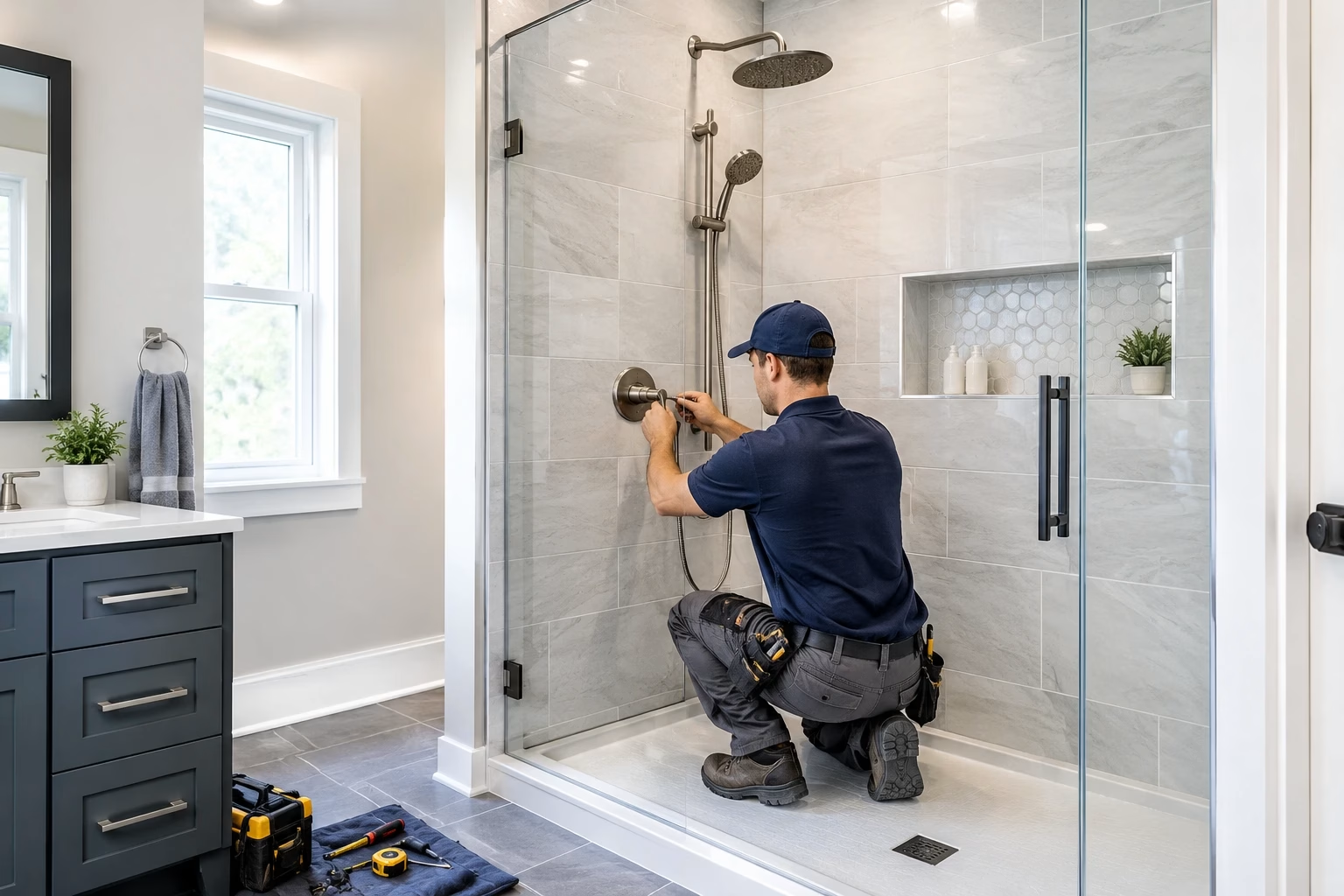
A shower installation can transform the appearance, comfort, and functionality of a bathroom. If you are replacing an outdated shower, converting a bathtub into a shower, or installing a completely new shower area, the project includes several stages. If you are wondering How Long Does Shower Installation Take? A replacement may take a few days, while a more extensive bathroom remodeling project can take longer.
What Factors Affect Shower Installation Time?
There is no single installation timeline that applies to every bathroom. Several factors can influence how long the project takes.
Type of Shower
A basic prefabricated shower unit may be installed more quickly than a custom tiled shower. A custom shower can require additional preparation, waterproofing, tile installation, grouting, and finishing.
Existing Shower Condition
If the existing shower is in good condition and only needs to be replaced, the work may be relatively straightforward. However, damaged walls, mold, water damage, deteriorated subflooring, or plumbing problems can add time.
Plumbing Changes
Moving the shower drain, water lines, shower valve, or other plumbing components can increase the project timeline. Keeping the new shower in the same location may simplify the installation.
Waterproofing
The walls, corners, joints, and other areas need appropriate protection against moisture. Depending on the system being installed, waterproofing can require preparation and curing time before the finished surfaces are applied.
Tile Work
Custom tile installation takes longer than installing a prefabricated wall system. Tiles need to be measured, cut, positioned, installed, and finished with grout and appropriate sealants.
What Does a Shower Installation Include?
Many of you ask What Does a Shower Installation Include? The exact scope depends on the project, but a complete installation can include much more than simply placing a shower enclosure in the bathroom.
- Removing the existing shower or bathtub
- Inspecting the underlying wall and floor
- Preparing the shower area
- Adjusting plumbing if necessary
- Installing the shower base or pan
- Installing waterproofing
- Installing wall panels or tile
- Installing the shower valve
- Installing the showerhead
- Installing doors or an enclosure
- Sealing joints and connections
- Testing drainage and water flow
- Cleaning the completed area
What is the Shower Installation Timeline?
A basic shower replacement can be completed within several working days when there are no structural or plumbing complications.
- The first stage includes preparation and demolition. The old shower, bathtub, wall materials, or fixtures may need to be removed.
- Our contractor checks the condition of the plumbing and underlying surfaces. Any damaged areas should be repaired before the new shower is installed.
- The shower base or pan is then positioned, followed by waterproofing and wall preparation. Once the waterproofing system is ready, the finished wall material can be installed.
- For tiled showers, tile installation and grout work add additional steps. Fixtures, doors, trim, and final sealing are installed toward the end of the project.
How Long Does a Custom Shower Take?
Custom showers require more time than simple replacements because they include additional design and installation work.
- A custom project may include a built-in bench, recessed storage niche, multiple shower fixtures, tile patterns, frameless glass, or customized dimensions.
- Our contractor must carefully coordinate waterproofing, drainage, plumbing, tile layout, and fixture placement. Each stage needs to be completed correctly before the next one begins.
- If you are planning a custom shower should allow additional time rather than expecting the project to be completed in a single day.
Does Shower Demolition Increase the Timeline?
Removing an existing shower can add time when the old installation contains multiple layers of tile, damaged materials, or difficult-to-access plumbing.
- During demolition, contractors may discover hidden issues such as water damage, deteriorated framing, or plumbing problems.
- These conditions cannot always be identified before the existing shower is opened.
- Addressing these issues before installing the new shower is important for long-term performance.
What Is the Average Cost of Shower Installation?
Another important question is: What Is the Average Cost of Shower Installation? It depends heavily on the size and complexity of the project.
- Shower size
- Shower type
- Materials selected
- Labor
- Demolition
- Plumbing modifications
- Waterproofing
- Tile installation
- Shower doors
- Fixtures
- Drain replacement
- Wall repairs
- Subfloor repairs
- Custom features
How to Make Shower Installation More Efficient?
Good planning can help reduce unnecessary delays. Before work begins, you should finalize important decisions such as shower dimensions, tile selection, fixtures, doors, storage features, and finish preferences.
- It is also helpful to confirm whether plumbing will remain in its current location.
- Moving plumbing can increase both labor and project time.
- Having materials available when installation begins can also prevent unnecessary interruptions.
What is the Importance of Professional Waterproofing?
One of the most important parts of shower installation is waterproofing. Water can penetrate behind finished surfaces if the shower is not properly constructed.
- Shower corners
- Wall-to-floor transitions
- Plumbing penetrations
- Shower niches
- Bench surfaces
- Drain connections
- Door and enclosure areas
How to Choose Materials for Your Shower?
The materials selected for a shower can affect both installation time and maintenance requirements.
- Ceramic and porcelain tiles offer many design possibilities, while solid wall panels can provide a different appearance and may require fewer installation steps.
- Natural stone can create a distinctive look but may require additional maintenance.
- Shower flooring should also provide suitable traction when wet.
- The material should be selected based on both appearance and practical bathroom requirements.
Frequently Asked Questions
Can a shower be installed in an existing bathroom?
The project may include removing the current shower or bathtub, checking the plumbing, preparing the walls and floor, installing waterproofing, and fitting the new shower system.
Does replacing a shower require new plumbing?
If the new shower uses the existing plumbing locations, major changes may not be necessary.
How long does a custom tiled shower take?
A custom tiled shower takes longer than a basic prefabricated shower because it may require demolition, waterproofing, tile installation, grouting, sealing, and fixture installation.
What should I choose first when planning a new shower?
Start by deciding the shower size and layout, followed by the shower base, wall material, fixtures, doors, tile, storage features, and other accessories.
Why is waterproofing important during shower installation?
Waterproofing helps prevent moisture from reaching the walls, subfloor, framing, and other underlying structures.