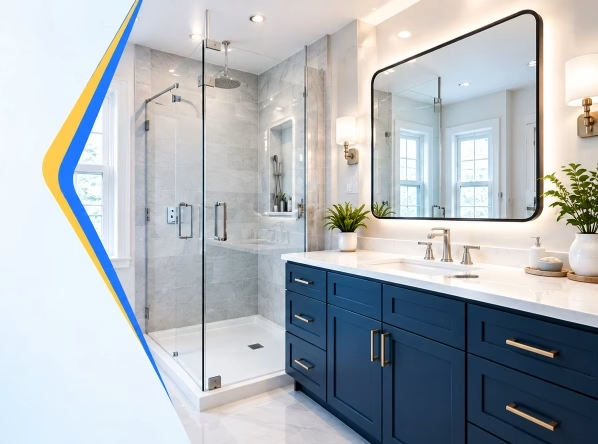
Bathroom remodeling can transform an outdated or inconvenient bathroom into a more functional, comfortable, and attractive space. If you want to replace a shower, upgrade a vanity, improve flooring, or completely redesign the room, the project should be planned around your home's existing layout and condition.
Reliable remodeling support for your bathroom project.
Careful planning, materials, fixtures, and installation.
Bathroom remodeling is not limited to changing colors or fixtures. Depending on the condition of the room, the work may involve demolition, plumbing, electrical updates, waterproofing, flooring, cabinetry, lighting, ventilation, and new bathroom fixtures.
Before beginning, homeowners should decide whether they want to maintain the current layout or make larger changes. It is also important to distinguish between cosmetic improvements and work that could uncover plumbing, structural, moisture, or subfloor problems.
Bathroom remodeling, partial upgrades, full renovations, fixture replacement, accessibility improvements
Varies according to scope, materials, demolition, and site conditions
Based on the actual bathroom and selected improvements
A remodeling plan should therefore begin with an assessment of the existing space rather than using a one-size-fits-all approach.
A practical remodel can improve how the bathroom functions while also creating a cohesive appearance. You may choose to focus on one area, such as a shower or vanity, or coordinate several upgrades as part of a larger project.
Moisture control should also be considered during remodeling. Waterproofing around wet areas, adequate ventilation, properly sealed surfaces, and sound plumbing can help protect the finished bathroom from avoidable water-related problems.

A complete renovation is appropriate when several parts of the bathroom need attention. The project may involve demolition, new surfaces, updated plumbing, lighting, flooring, cabinetry, fixtures, and a redesigned shower or tub area.

Replacing an outdated shower can improve accessibility, appearance, and everyday convenience. Homeowners can consider walk-in configurations, low-threshold entries, handheld shower systems, built-in niches, seating, and updated waterproof wall surfaces based on the available space.

A bathtub that is rarely used may take up valuable floor area. Converting the tub location into a shower can make the room easier to access and may provide more practical space.

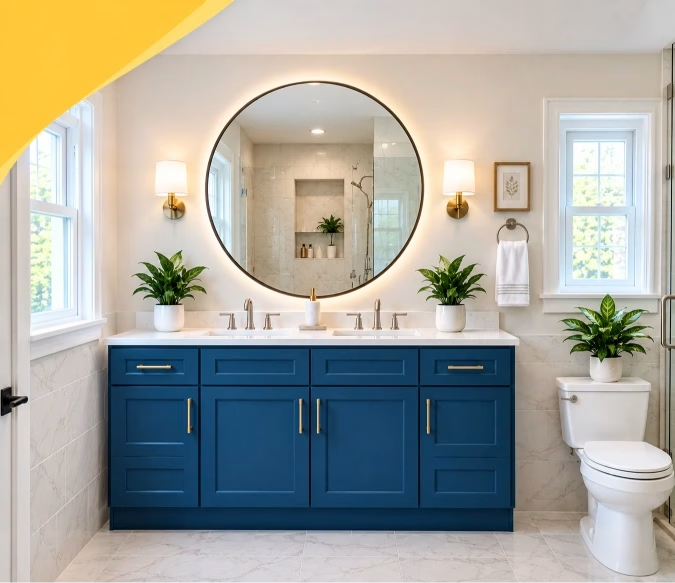
A new vanity can provide additional countertop space and organized storage while changing the appearance of the room. Depending on the layout, homeowners may choose single or double sinks, drawer storage, wall-mounted cabinetry, or custom configurations.

Replacing an inefficient or outdated toilet, faucet, showerhead, or other fixture can be a relatively focused way to improve a bathroom. Fixture selection should account for dimensions, connection requirements, water use, and compatibility with the existing plumbing.
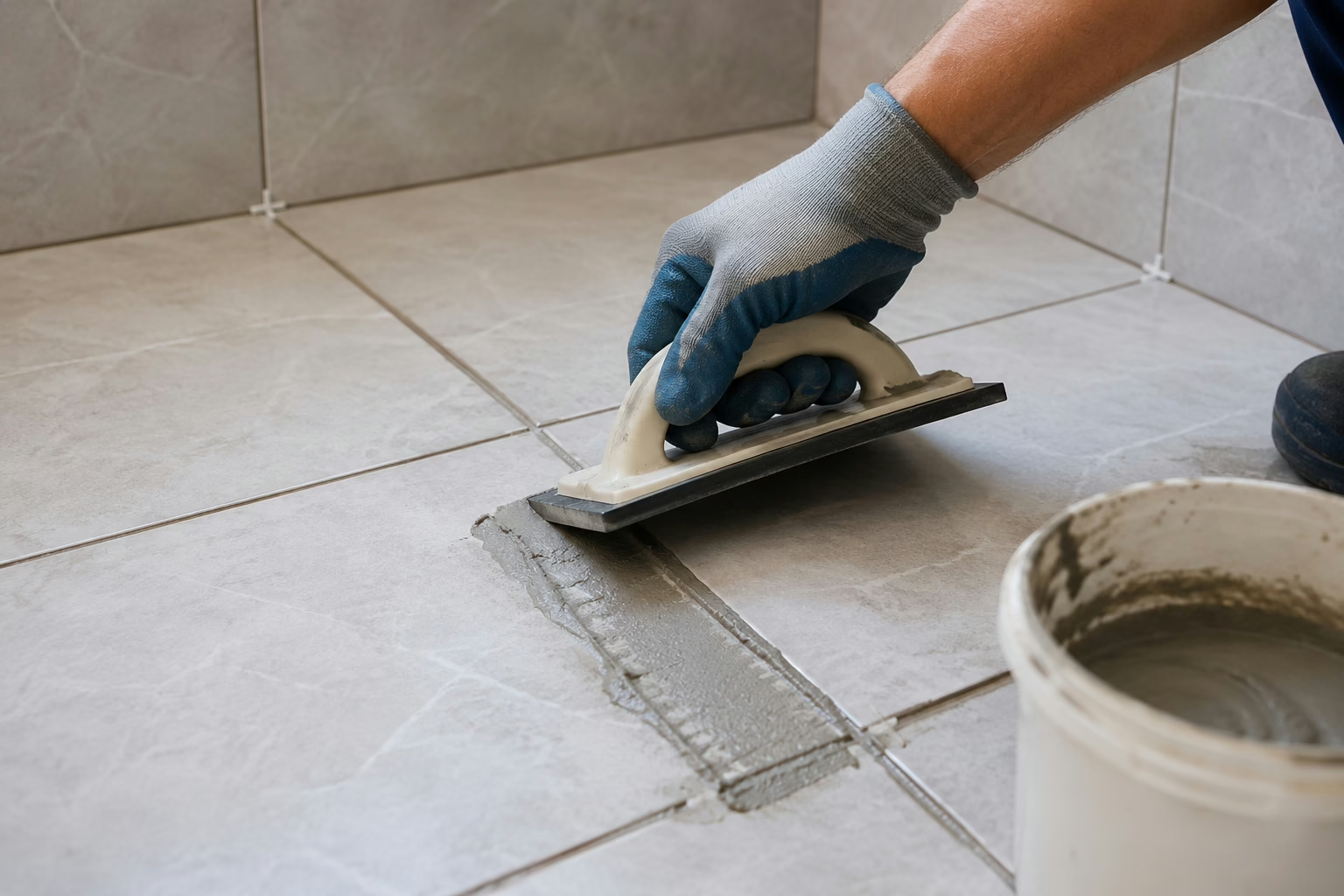
Floor and wall surfaces need to withstand regular moisture exposure. Tile, water-resistant flooring, and properly installed shower surfaces can contribute to durability and easier maintenance.
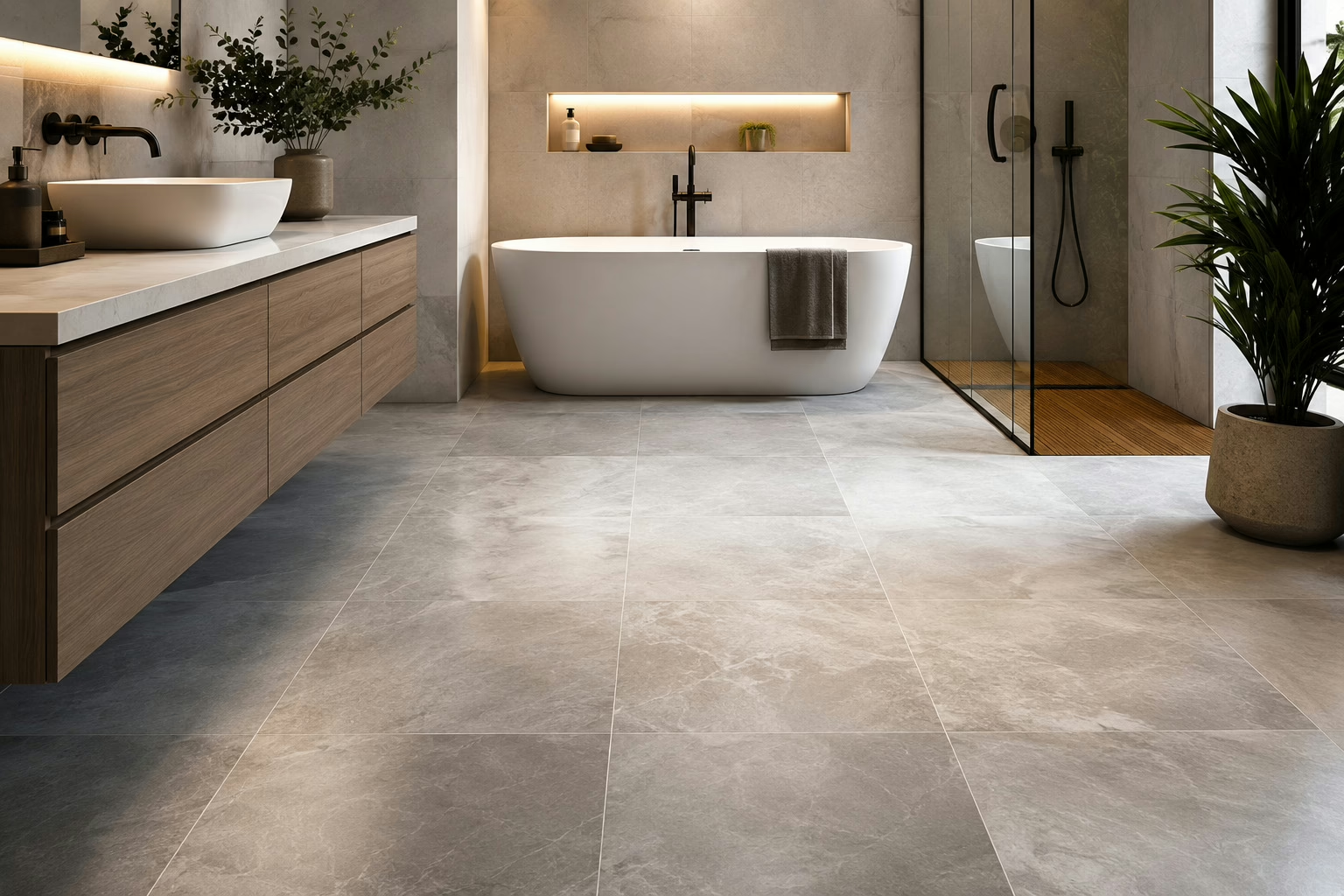
An accessible bathroom can incorporate features that make daily use safer and more convenient. Depending on your requirements, improvements may include wider clearances, walk-in showers, grab bars, shower seating, handheld controls, and easier-to-operate fixtures.
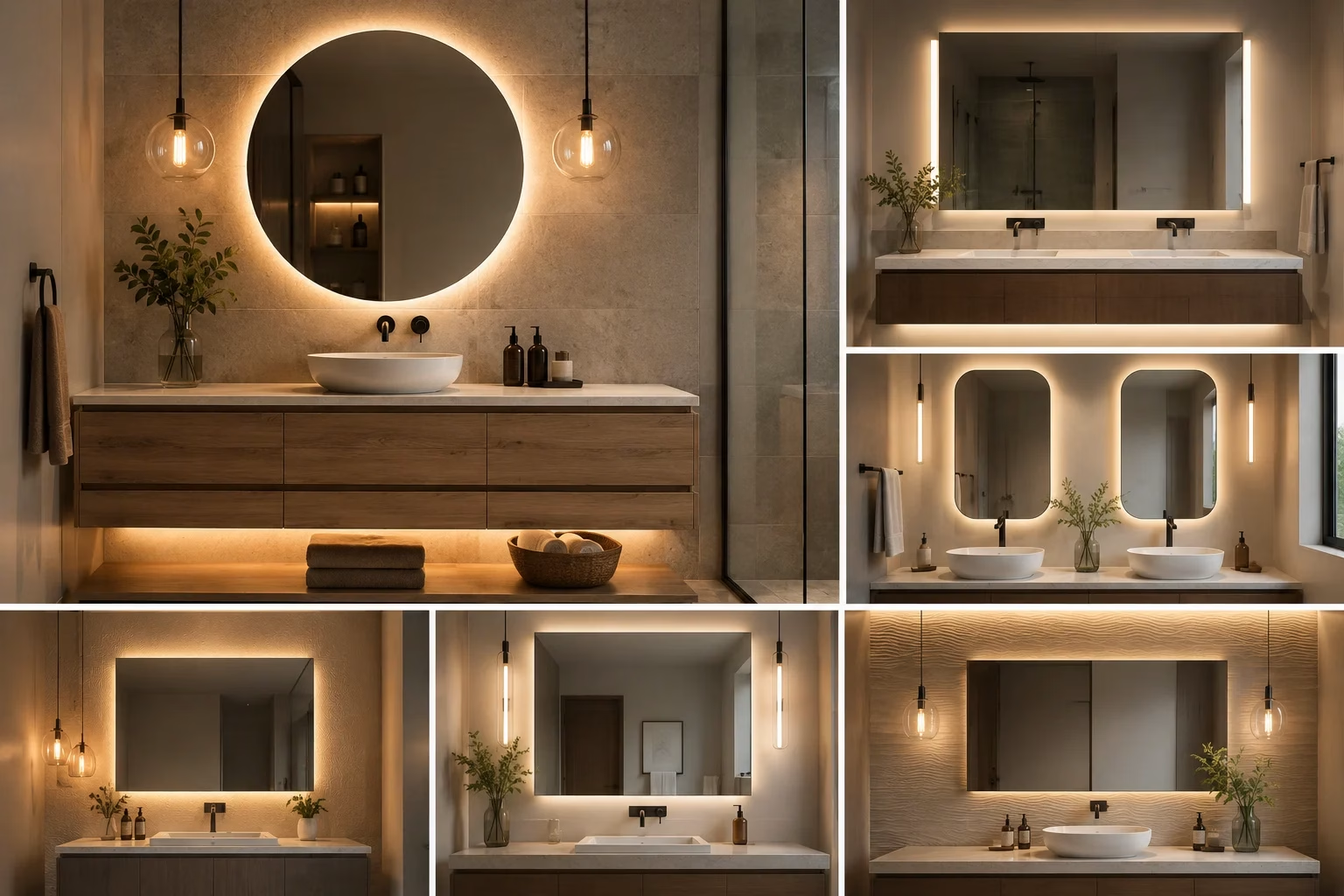
Bathrooms require appropriate lighting and ventilation for comfort and moisture management. A remodel may provide an opportunity to improve task lighting, mirror lighting, exhaust ventilation, outlets, and other electrical features. Electrical work should follow applicable requirements and inspections.

Moving a toilet, shower, tub, or sink can significantly affect project complexity. Plumbing modifications may require additional labor, materials, inspections, and wall or floor access. Keeping fixtures in their current locations can sometimes simplify the renovation.
Get a Free Estimate for Your Bathroom Now!
| Option | Best For | Common Work | Main Consideration |
|---|---|---|---|
| Repair | A limited problem | Regrouting, fixture repair, minor finish work | Determine whether hidden damage exists |
| Partial Remodel | Several outdated features | Shower, tub, vanity, flooring, fixtures | Coordinate materials and installation |
| Full Renovation | Major upgrades or layout changes | Demolition, plumbing, surfaces, lighting, fixtures | Greater time, planning, and inspection needs |
Bathroom remodeling costs can depend on one project to another. Room size, existing conditions, material choices, plumbing requirements, labor, and the amount of demolition can all influence the final budget.
A well-organized renovation usually moves through several stages.
Discuss current bathroom problems, desired improvements, approximate budget, and preferred outcome.
Measurements and inspection help identify layout limitations, plumbing considerations, moisture concerns, and other conditions.
Identify proposed work, materials, fixtures, labor, and other expected project components.
Confirm applicable requirements for regulated construction, plumbing, electrical, or other work.
Protect the work area before removing existing fixtures, finishes, or other components.
Install new plumbing, surfaces, fixtures, cabinetry, lighting, flooring, and other selected improvements.
Review workmanship, functionality, cleanup, and applicable final inspection requirements.
A bathroom remodeling project involves multiple decisions, from selecting materials to coordinating plumbing, fixtures, surfaces, lighting, and finishing work. You should choose a remodeling professional who provides clear information about the scope, expected process, materials, schedule, and applicable warranty or service terms.
Get expert advice, a clear estimate, and a remodeling plan that fits your home and budget.
Bathroom remodeling can include shower or bathtub replacement, vanity installation, flooring, tile, plumbing, lighting, ventilation, storage, fixtures, and other improvements.
The schedule depends on the size and condition of the bathroom and the amount of work involved. Material availability, demolition, plumbing changes, electrical work, inspections, and unexpected problems can all affect the completion time.
Keeping the current layout can be a practical option when the existing plumbing arrangement and room configuration are functional. Updating the shower, vanity, flooring, tile, lighting, fixtures, and storage can still produce a significant improvement.
The choice depends on how the bathroom is used and the available space. A shower may provide easier access and efficient use of space, while a bathtub can be useful for households that prefer bathing or want a tub as part of the overall bathroom design.
A remodel can address damaged materials when the problem and its source are properly identified. Leaking plumbing, failed waterproofing, damaged subflooring, mold, or deteriorated walls should be corrected before new finishes are installed.
The terms are often used interchangeably, although renovation may sometimes refer more broadly to updating an existing space. Remodeling can include both cosmetic improvements and changes to the bathroom's layout, fixtures, plumbing, or functionality.
Remodeling is an opportunity to incorporate accessibility features such as low-threshold showers, wider entries, grab bars, seating, handheld showerheads, accessible controls, and improved lighting.
The main factors include bathroom size, demolition, material selections, plumbing and electrical work, shower or tub changes, flooring, tile, cabinetry, waterproofing, ventilation, permits, and hidden damage.
We Got Your Query! Experts will Contact You ASAP
Call Us Directly to skip the queue and get immediate service