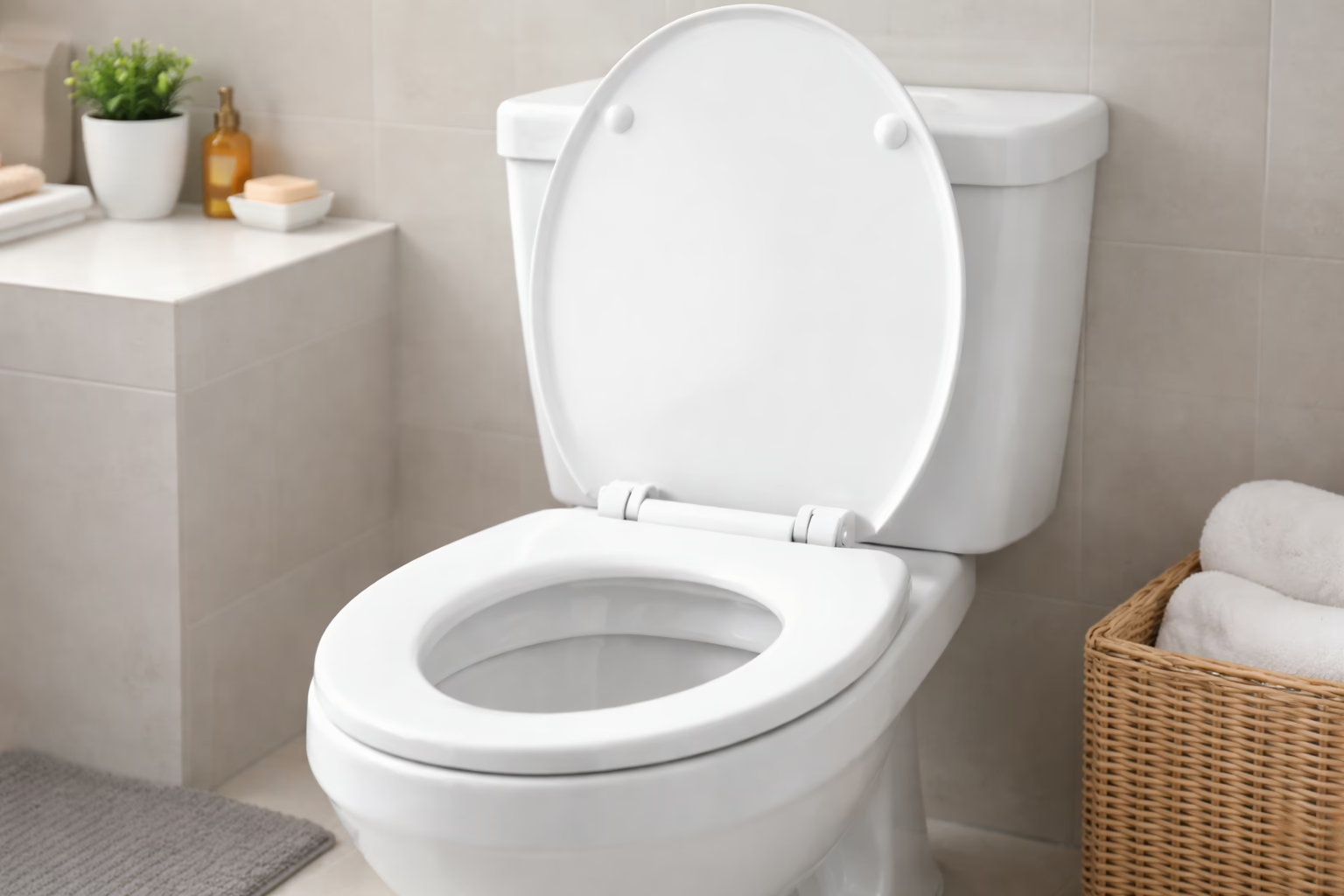
Installing a toilet seat may seem like a simple DIY task, yet having the right tools and understanding the proper process can make a big difference when upgrading your bathroom or replacing a worn-out seat. We will walk you through everything you need to know, from essential tools to step-by-step toilet seat installation instructions, including tips on how to install a toilet seat with hidden fixings.
Why Proper Tools Matter for Toilet Seat Installation?
Many of you assume that installing a toilet seat requires little effort. While it is true that the task is relatively simple, using the correct tools ensures:
- A secure and stable installation
- No damage to the toilet bowl
- Faster completion time
- Long-lasting performance
So, if you are wondering, what tools are required to install a toilet seat?
What Essential Tools Are Required to Install a Toilet Seat?
There is a complete list of tools you may need for a smooth installation.
Adjustable Wrench or Spanner
An adjustable wrench is one of the most important tools for this task. It helps tighten or loosen the nuts located under the toilet bowl.
- Ensures proper tightening
- Works with different nut sizes
- Prevents over-tightening
Screwdriver (Flathead or Phillips)
Most toilet seats come with bolts that require either a flathead or Phillips screwdriver.
- Tightening bolts from the top
- Removing old seat fittings
Always check the type of screws included with your new seat before starting.
Pliers
Pliers are useful when dealing with stubborn or rusted nuts that won’t budge easily.
- Better grip
- Helps hold nuts while loosening bolts
- Ideal for tight spaces
Cleaning Supplies
Before installing a new seat, it is essential to clean the toilet surface. A clean surface ensures proper fitting and hygiene.
- Disinfectant spray
- Cleaning cloth
- Old toothbrush (for hard-to-reach areas)
Rubber Gloves
Gloves are not a tool, but they are essential for safety and hygiene during installation.
Penetrating Oil (Optional)
If you are replacing an old seat, the bolts might be rusted or stuck.
- Loosens corroded nuts
- Makes removal easier
- Prevents damage to fittings
Socket Wrench (Optional but Helpful)
For hard-to-reach bolts under the toilet, a socket wrench can be more effective than a standard spanner.
Utility Knife (Rare Cases)
Sometimes plastic bolts may need to be cut off if they’re too damaged to remove.
What are the Toilet Seat Components?
Before diving into installation, it helps to understand the main parts. However, knowing these components makes it easier to follow toilet seat installation instructions.
- Seat
- Lid
- Hinges
- Bolts
- Nuts
- Washers
What are the Toilet Seat Installation Instructions?
Follow these simple steps to install your toilet seat correctly.
Remove the Old Toilet Seat
- Locate the bolts at the back of the seat
- Use a screwdriver to unscrew the top
- Hold the nut underneath with pliers or a wrench
- Remove both bolts and lift off the seat
Tip: If bolts are stuck, apply penetrating oil and wait a few minutes.
Clean the Area Thoroughly
Once the old seat is removed:
- Clean around the bolt holes
- Remove grime and residue
- Dry the area completely
This step ensures a better fit for the new seat.
Align the New Seat
Put the new toilet seat on the bowl and align the holes with the mounting points.
Insert Bolts
- Insert bolts through the hinge holes
- Make sure they sit straight
Secure with Nuts
- Tighten nuts from underneath
- Use a wrench or pliers
- Hold the bolt steady from the top with a screwdriver
Adjust and Tighten
Before fully tightening:
- Adjust the seat position
- Ensure it is centered
Once aligned, tighten securely but avoid over-tightening.
Test the Seat
- Sit on the seat gently
- Check for wobbling
- Tighten further if needed
How to Install a Toilet Seat with Hidden Fixings
Modern toilet seats often come with hidden fixings for a cleaner look. If you are wondering how to install a toilet seat with hidden fixings, the process is slightly different.
What Are Hidden Fixings?
Hidden fixings conceal the bolts, which gives a sleek and modern appearance. They are commonly used in contemporary bathroom designs.
Tools Required
- Screwdriver (usually required)
- Allen key (often included with the seat)
- Adjustable wrench (sometimes optional)
How to Install?
Remove Cover Caps
Hidden fixing seats have caps covering the bolts. You can open or pop them off.
Position Mounting Plates
- Place the fixing plates over the holes
- Align them properly
Insert and Tighten Bolts
- Insert bolts through the plates
- Tighten using a screwdriver or Allen key
Attach the Seat
- Slide or click the seat onto the mounting plates
- Ensure it locks securely
Adjust Alignment
- Adjust positioning if needed
- Tighten fully once aligned
Close the Covers
Snap the caps back into place for a clean finish.
Which Mistakes to Avoid While Installation?
Even a simple installation can go wrong if you’re not careful. Avoid these mistakes:
Over-tightening Bolts: This can crack the toilet bowl or damage fittings.
Misalignment: If the seat is not centered, it can feel uncomfortable and unstable.
Skipping Cleaning: You can install over dirt or residue reduces stability and hygiene.
Using Wrong Tools: Meanwhile, improper tools can damage screws or bolts.
Tips for a Smooth Installation
- You must read manufacturer instructions
- Use stainless steel bolts for durability
- Check compatibility before buying a seat
- Replace worn-out fittings immediately
- Keep tools nearby before starting
How Long Does It Take?
On average, installing a toilet seat takes
- 10–15 minutes for standard seats
- 15–25 minutes for hidden fixing models
When Should You Replace Your Toilet Seat?
You should consider replacing your toilet seat if:
- It is cracked or broken
- It wobbles even after tightening
- There are stains or discoloration
- Hinges are damaged
What are the Benefits of Installing a New Toilet Seat?
- Improved hygiene
- Better comfort
- Enhanced bathroom appearance
- Increased durability
DIY vs Professional Installation
Installing a toilet seat is usually a DIY-friendly task. However, you may consider professional help if:
- Bolts are severely rusted
- Toilet fittings are damaged
- You’re installing advanced models
How to Maintain After Installation?
- Clean regularly with mild cleaners
- You must avoid harsh chemicals
- Check bolt tightness periodically
- Tighten if any looseness occurs
What are Eco-Friendly Considerations?
However, modern toilet seats often come with eco-friendly materials and designs.
- Soft-close lids reduce wear
- Durable materials reduce replacements
- Easy-clean surfaces improve hygiene
Why Choose the Right Toilet Seat for Easy Installation?
You must select the right toilet seat which can significantly simplify the installation process. Not all seats are designed the same, and compatibility plays a key role.
Types of Toilet Seats
- Standard Round Seats: Perfect for smaller bathrooms
- Elongated Seats: Provide extra comfort and are common in modern homes
- Soft-Close Seats: Prevent slamming and reduce wear
- Quick-Release Seats: Allow easy removal for cleaning
However, while choosing a model with user-friendly fittings, it can reduce the number of tools required and speed up installation.
How to Measure Your Toilet Before Installation?
Accurate measurements ensure the new seat fits perfectly and avoids unnecessary adjustments.
- Distance between the bolt holes
- Length from the center of the holes to the front edge
- Width at the widest point
Most toilets follow standard sizing, but measuring beforehand prevents mismatches and installation issues.
Differences Between Top-Fix and Bottom-Fix Installations
Understanding the fixing style of your toilet seat helps determine which tools and techniques you’ll need.
Top-Fix Installation
- Installed from the top of the toilet bowl
- Common in modern toilets
- Easier access for tightening
Bottom-Fix Installation
- Requires access underneath the toilet
- Often needs a wrench or pliers
- May take slightly longer due to limited space
Top-fix models are generally more convenient, especially in tight bathroom layouts.
How to Handle Rusted or Damaged Fittings?
Older toilet seats often come with rusted or worn-out bolts, which can make removal challenging. If the bolt refuses to move, cutting it carefully may be the only option. You should proceed with caution to prevent damaging the toilet surface.
- Apply a lubricant and let it sit for several minutes
- Use locking pliers for a stronger grip
- Gently rock the bolt back and forth to loosen it
How to Install Soft-Close Toilet Seats?
Soft-close toilet seats are increasingly popular due to their convenience and durability. These seats often come with specialized fittings, so you can check the included instructions is essential.
- Ensure hinges are aligned properly before tightening
- Avoid forcing the lid into position
- Test the slow-close mechanism before final tightening
Quick-Release Toilet Seat Installation
Quick-release seats are designed for easy removal and cleaning, which makes them a perfect choice for busy households.
How They Work?
- The seat attaches to fixed brackets
- A button or latch allows easy removal
- No need to unscrew bolts for cleaning
Tools Needed
Most quick-release systems require minimal tools, often just a screwdriver for initial setup.
How to Ensure Proper Alignment and Stability?
A properly aligned toilet seat not only looks better but also provides greater comfort and safety. Moreover, even slight misalignment can lead to discomfort and premature wear.
- Position the seat evenly on both sides
- Verify if the lid opens and closes smoothly
- Make small adjustments before final tightening
Which Factors to Consider While Child-Friendly Toilet Seat Installation?
If you have children at home, you may want to install a child-friendly or dual-seat model.
- Built-in child seat attachment
- Soft-close mechanism for safety
- Durable, easy-to-clean materials
These seats may include additional components, so having the right tools on hand ensures a smooth setup.
How to Upgrade to Modern Toilet Seat Features?
Modern toilet seats come with advanced features that might require extra care during installation.
Popular Upgrades
- Heated seats
- Bidet attachments
- LED lighting
Additional Tools
Some advanced models may require certain factors.
- Electrical connections
- Mounting brackets
- Extra tightening tools
Always follow the manufacturer’s guidelines when installing feature-rich seats.
How to Take Safety Precautions During Installation?
Even a simple task like installing a toilet seat requires basic safety measures. Therefore, taking these precautions helps prevent injuries and ensures a smoother process.
- Wear gloves to maintain hygiene
- Avoid using excessive force
- Keep tools organized to prevent accidents
- Ensure the toilet surface is dry before starting
Troubleshooting Common Installation Problems
Sometimes things do not go as planned. However, you must know how to handle common issues.
Loose Seat After Installation
- Recheck bolt tightness
- Ensure washers are properly placed
Seat Not Sitting Flat
- Adjust hinge alignment
- Remove and reinstall if necessary
Difficulty Tightening Bolts
- Check for cross-threading
- Use the correct tool for better grip
How to do Seasonal Maintenance and Checks?
To keep your toilet seat in top condition, regular checks are essential. Thus, routine maintenance extends the life of your installation and prevents unexpected issues.
- Inspect bolts every few months
- Tighten if any looseness is detected
- Clean hinges and fittings regularly
What are the Budget-Friendly Installation Tips?
To install a toilet seat it does not have to be expensive. With a few choices, you can save money without compromising quality. A simple and efficient approach keeps the project affordable and effective.
- Use tools you already have at home
- Choose seats with included fittings
- Avoid unnecessary upgrades if not needed
Frequently Asked Questions
What tools are required to install toilet seat?
You need a screwdriver and an adjustable wrench. In some cases, pliers or a socket wrench may be helpful, especially for tightening or loosening bolts underneath the toilet.
Are special tools needed for modern toilet seats?
Most modern toilet seats do not require special tools. However, some models with advanced features or hidden fixings may include an Allen key or specific fittings for installation.
Can I install a toilet seat without removing the old bolts?
The old bolts must be removed before installing a new seat. This offers proper alignment and a secure fit for the new installation.
What should I do if the toilet seat keeps loosening?
If your toilet seat becomes loose, check the bolts and tighten them by using the appropriate tools. You may also need to adjust the alignment or replace worn-out washers.
How do I know if my toilet seat is installed correctly?
A properly installed toilet seat should feel stable, sit evenly on the bowl, and not move when weight is applied. The lid and seat should also open and close smoothly without resistance.