
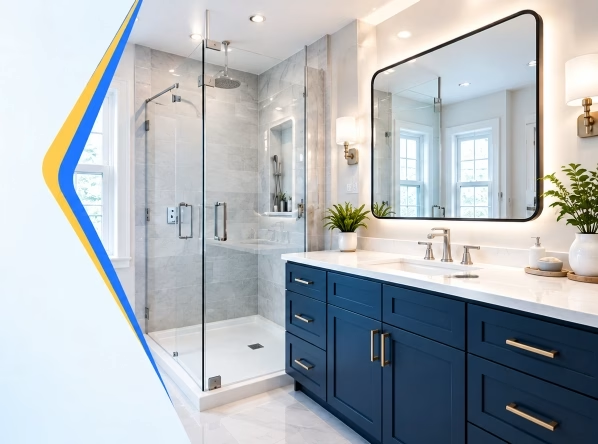

Planning to replace an old bathtub or add a new tub to your bathroom in Dover, DE? Bathtub installation services in Dover, DE can improve everyday comfort, refresh the appearance of the room, and provide a more practical bathing space. Our bathroom remodeling services help homeowners with tub replacements, new bathtub installations, tub upgrades, and bathroom renovation projects. The right bathtub depends on the bathroom's available space, existing plumbing, tub dimensions, surrounding walls, flooring, and preferred bathing style.
Reliable Bathtub support for your bathroom project.
Careful planning, materials, fixtures, and installation.
Bathtub Installation services for homeowners in Dover.
Bathtub installation involves more than choosing a tub that looks attractive. The available bathroom space, drain position, water supply, tub dimensions, surrounding wall condition, waterproofing, and flooring all need to work together.Â
Keeping the existing tub location may simplify the installation when the plumbing and surrounding structure are suitable. Moving the tub, repairing water damage, changing plumbing, or rebuilding the shower area can increase the project's scope.
Dover, DE and verified surrounding service areas
Bathtub replacement, new tub installation, tub upgrades, tub-to-shower conversions, remodel-related bathtub installation
Varies according to tub type, plumbing, waterproofing, demolition, and required repairs
Based on the selected tub, existing bathroom conditions, labor, materials, and related work
A bathtub installation should be planned around the existing bathroom configuration. Before selecting a tub, homeowners need to consider the available wall-to-wall measurement, drain location, faucet placement, bathroom clearance, and access to plumbing. These details can determine whether a particular tub will fit without major alterations.
Dover is located in Kent County, where building and plumbing permit information is provided through the county. Requirements can be according to the work being performed, particularly when installation includes plumbing modifications or other construction changes.Â
of Dover's population is 65 or older, making accessibility an important consideration for bathtub installation.

Replacing an outdated bathtub can give a bathroom a cleaner and more functional appearance without necessarily changing the entire layout. The process may involve removing the existing tub, preparing the installation area, checking plumbing connections, positioning the new fixture, and completing the surrounding finish work.

Alcove tubs are designed to fit within a defined three-wall space and are commonly considered when homeowners want to retain an existing bathroom configuration. Measurements are important because the tub, wall surround, plumbing, and finished surfaces all need to work within the available enclosure.
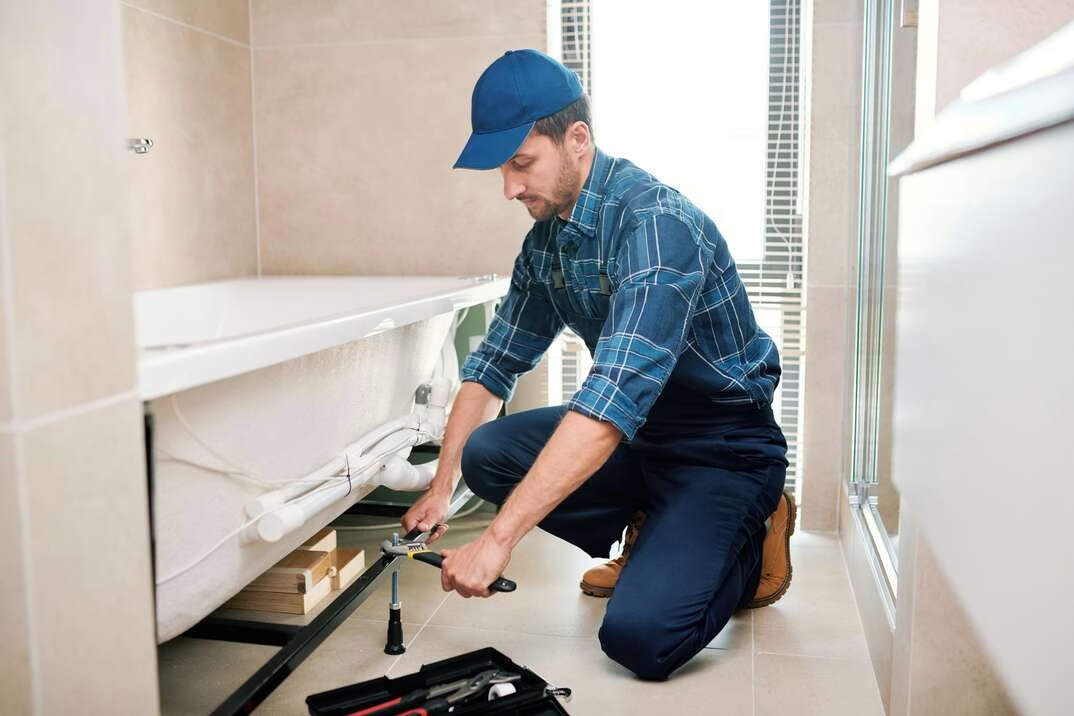
A soaking tub can provide a deeper bathing experience for homeowners who prioritize relaxation. Before installation, the bathroom should be evaluated for available floor space, tub dimensions, access, and the supporting requirements of the selected fixture.
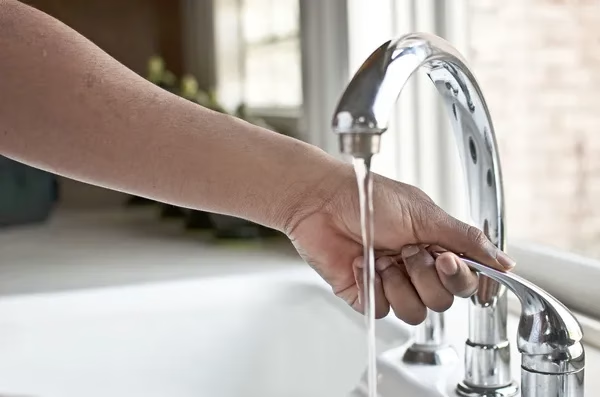
Freestanding tubs can create a distinctive focal point in a renovated bathroom. They require careful planning around floor space, plumbing connections, faucet configuration, and access. This type of installation is best suited to bathrooms with sufficient clearance for the fixture and comfortable movement around it.
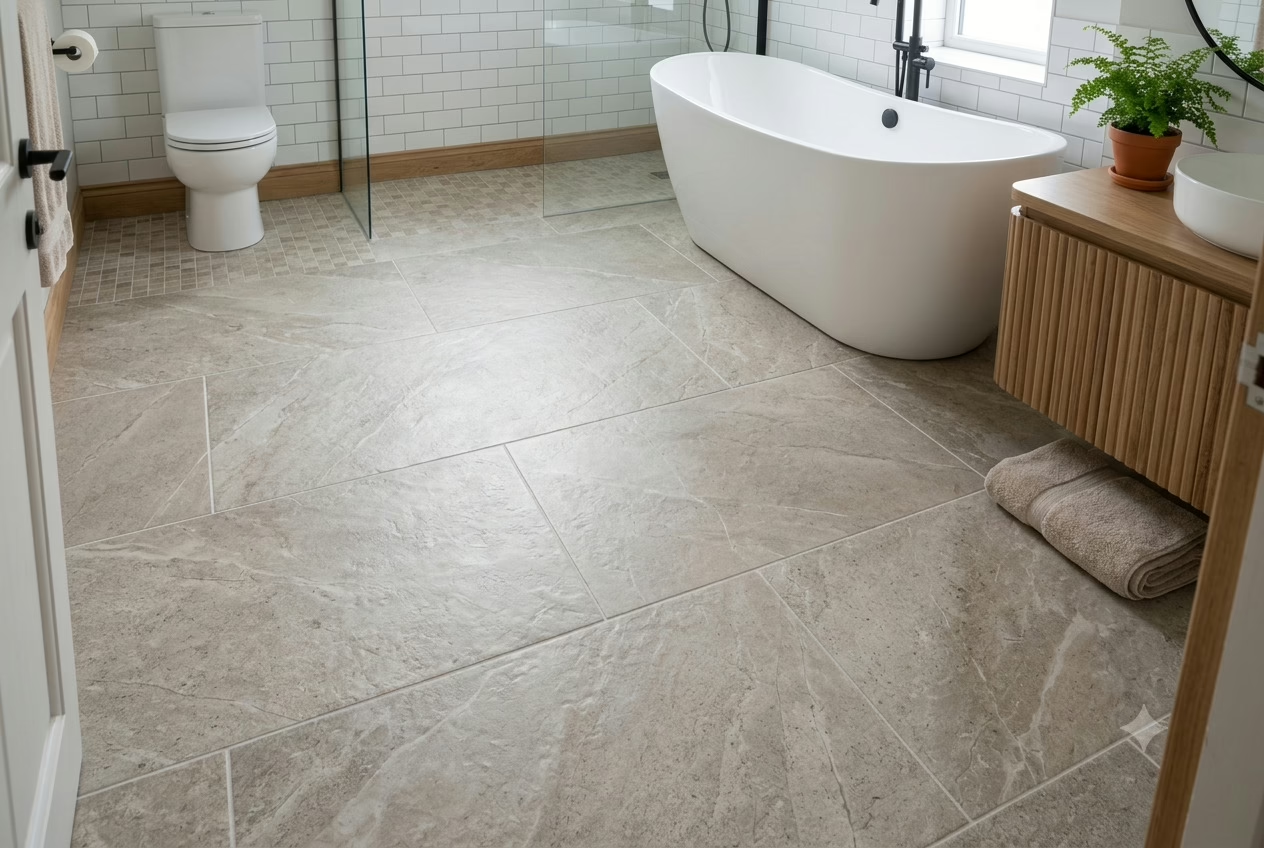
Some homeowners prefer to remove an existing bathtub and replace it with a walk-in shower. This can improve accessibility and may make better use of the available bathroom space. The conversion can include demolition, plumbing adjustments, waterproofing, wall finishes, flooring, and shower fixtures.

A new tub is installed together with a surrounding wall system. Options can include tile, solid surface panels, or other water-resistant materials. The selected surround should complement the bathtub while providing a practical surface that is properly sealed against moisture.

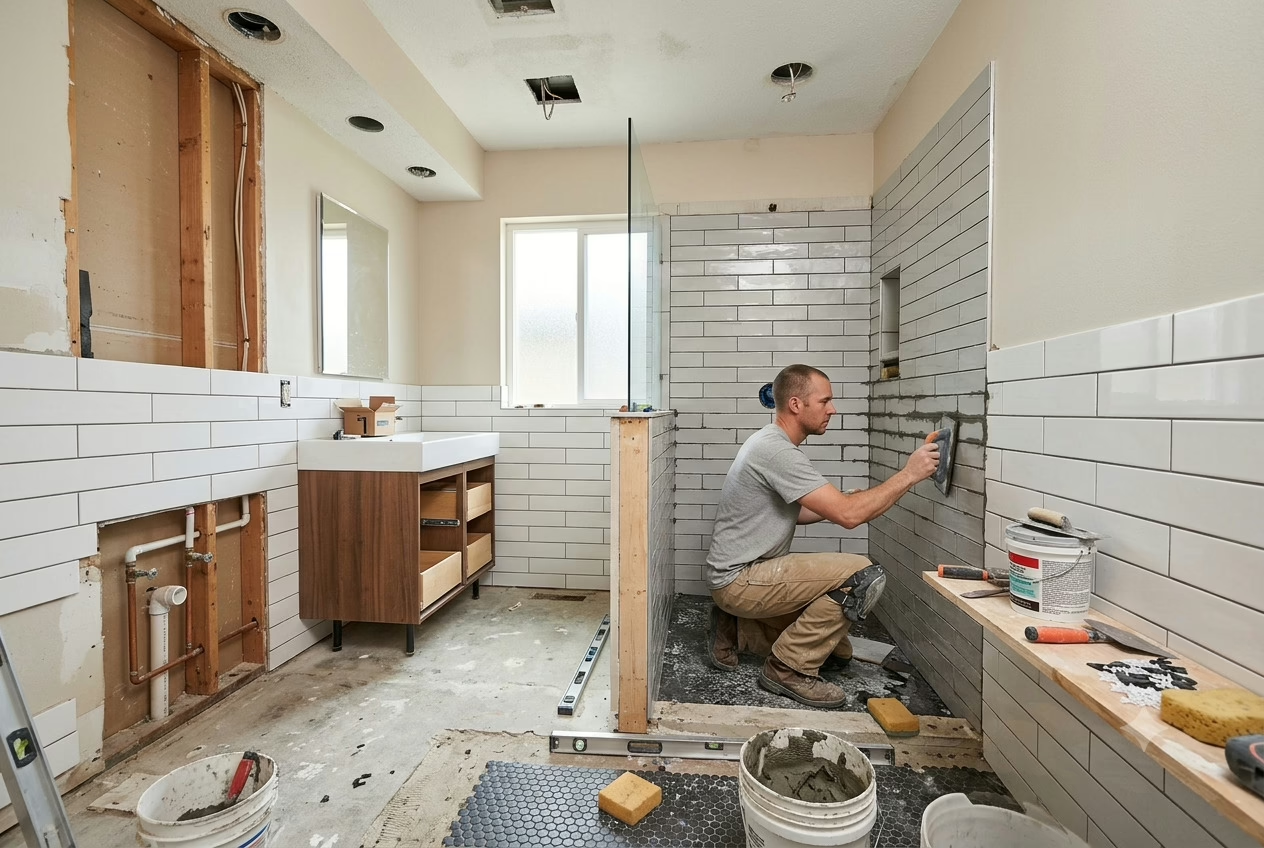
Installing a bathtub as part of a complete bathroom renovation allows the tub to be coordinated with the rest of the room. Plumbing, flooring, tile, vanity placement, lighting, storage, and other fixtures can be planned together rather than handled as separate projects.
Homeowners with mobility concerns may need to consider easier entry, surrounding clearance, grab bars, non-slip surfaces, or alternative bathing configurations. An accessible bathroom assessment can help determine if a traditional bathtub or another bathing option better suits the household.
Get a Free Estimate for Your Bathroom Now!
The appropriate scope depends on the condition of the existing bathtub and the overall bathroom.
If water damage, deteriorated subflooring, mold, or plumbing problems are discovered, the scope may need to expand beyond the originally planned cosmetic work.
Bathtub installation costs depend on the fixture, installation conditions, materials, and amount of preparation required. Replacing a tub in the same location can have a very different cost from moving the tub, rebuilding the surround, correcting plumbing, or repairing water-damaged areas.
A well-planned bathtub installation helps ensure that the fixture, plumbing, waterproofing, and surrounding finishes work together.
The project begins with a discussion about the existing bathtub, desired replacement, bathroom layout, and planned improvements. Service availability for the Dover property is also confirmed.
Measurements are taken to determine the available tub space, plumbing configuration, access points, drain location, and surrounding clearances. The existing tub and nearby surfaces are also assessed for potential problems.
Homeowners can choose a bathtub based on size, material, configuration, comfort, appearance, and budget. The proposed installation scope and related materials should be explained before work begins.
When the project involves plumbing or other work that may require approval, applicable local requirements should be confirmed before construction starts.
The existing bathtub is removed when applicable. The surrounding area is then prepared, with attention to plumbing, flooring, wall surfaces, waterproofing, and any hidden damage that needs correction.
The new tub is positioned and secured according to the installation requirements. Drain and water connections are completed, and the surrounding area is prepared for the selected wall or shower enclosure.
The installation is completed with the appropriate surround, tile, fixtures, seals, and finishing materials. Drainage and water connections are checked, the work area is cleaned, and the homeowner receives information about the finished project.
Bathtub installation does not have identical permit requirements for every property or project. Requirements may depend on whether the work involves only fixture replacement or includes plumbing changes, structural alterations, electrical work, or other renovation activities.
Kent County provides building permit and plumbing-related information for property owners. Homeowners should review the current requirements and confirm which approvals apply to their specific project before work begins.
No verified Dover-area bathtub installation case study, customer review, or original project photography was provided for this page.
Before publication, this section should be replaced or expanded with a genuine local project when one is available. A useful case study could explain why the homeowner wanted a new bathtub, the type of tub selected, the condition of the original installation, any plumbing or waterproofing challenges, and how the completed bathroom improved the space.
Project photos should be original and used with the appropriate homeowner permission. Images should accurately represent the work and include descriptive filenames, captions, and alt text.
Choosing the right bathtub installation provider involves more than finding someone to place the fixture. Homeowners should receive clear information about the tub, installation requirements, potential plumbing work, materials, scheduling, and costs before approving the project.
A bathroom problem does not automatically mean that the entire room needs to be renovated. Identifying the source of the damage and selecting the appropriate repair can help homeowners address problems while avoiding unnecessary work. Whether you are dealing with a leaking fixture, damaged tile, failing grout, flooring concerns, a faulty toilet, or another bathroom issue, a professional assessment can clarify the next step.
The price depends on the bathtub model, bathroom dimensions, plumbing configuration, surround materials, demolition requirements, and condition of the installation area. Additional repairs can affect the final amount.Â
The timeline depends on if the project is a simple tub replacement or part of a larger bathroom renovation. Demolition, plumbing adjustments, waterproofing, tile work, material availability, hidden water damage, and inspections can extend the schedule.Â
Permit requirements depend on the type of work being performed. Plumbing modifications or other construction changes may require different approvals than a straightforward fixture replacement.Â
Retaining the existing tub location can make the project more straightforward when the new fixture is compatible with the current space and plumbing. Measurements should still be taken to confirm the replacement tub, drain, water connections, surround, and surrounding finishes will fit correctly.
A bathtub can be removed and replaced with a walk-in shower when the bathroom layout and plumbing conditions allow it. A tub-to-shower conversion may involve demolition, waterproofing, plumbing adjustments, wall finishes, shower fixtures, and accessibility features.
The best bathtub depends on the room's dimensions, plumbing configuration, bathing preferences, accessibility needs, and design goals. Alcove tubs can work well in defined spaces, while freestanding or soaking tubs may suit bathrooms with more available floor area.Â
Bathtub installation can be coordinated with a full bathroom renovation. Planning the tub together with the shower, toilet, vanity, flooring, tile, lighting, storage, and plumbing can help create a cohesive design and reduce the need for repeated construction work.
The responsible installer depends on the business model. [BRAND] should clearly explain whether its own professionals perform the work or whether an independent contractor completes the project.Â
Our professionals are ready to help you create the bathroom of your dreams — fast and within budget.
We Got Your Query! Experts will Contact You ASAP
Call Us Directly to skip the queue and get immediate service